
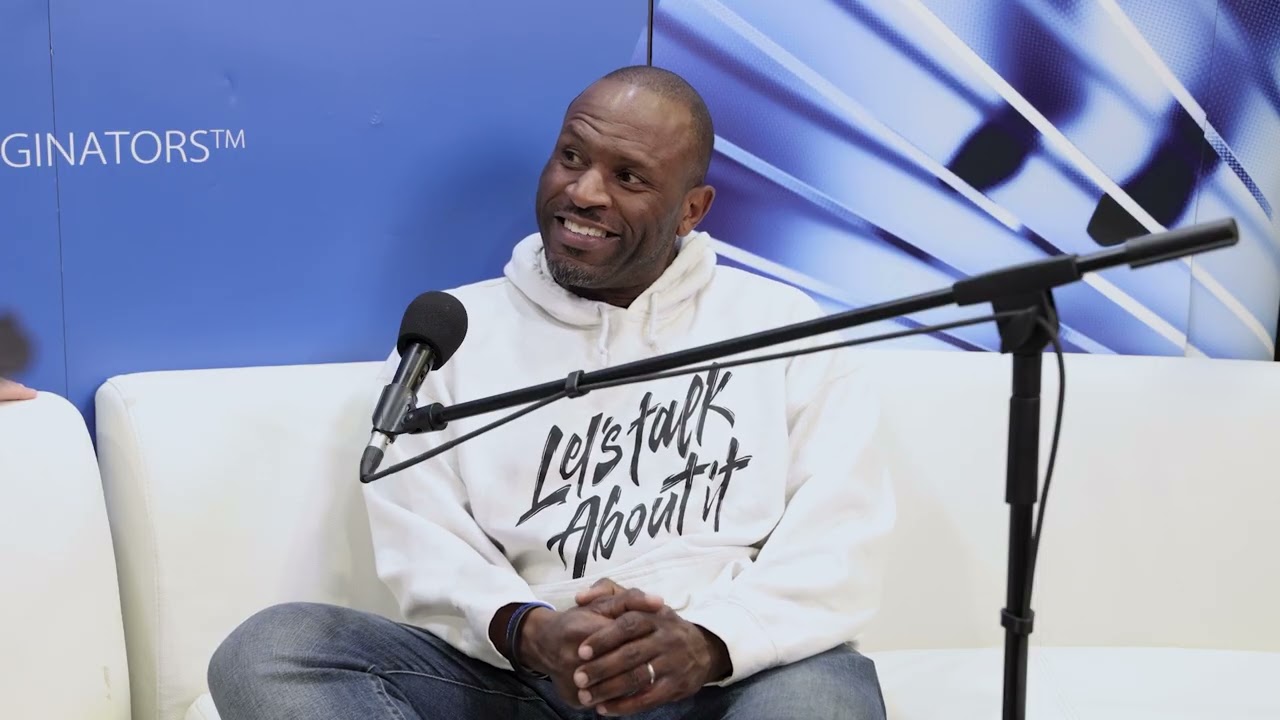
Mortgage business growth takes more than being recognizable online. In this Got Mortgages Podcast conversation from Triple Play 2025, Jimmy “Mortgages” Joseph of CMG Home Loans explains why he is pairing an established social presence with renewed attention to education, phone calls and professional referral relationships. Speaking with Abdel Khawatmi, Jimmy describes the tension between building a brand and doing the mortgage work that gives that brand substance. Their discussion offers a practical direction for purchase-focused loan officers: use content to build familiarity, but protect the conversations, financial analysis and follow-through that turn familiarity into a useful client relationship.
Conversation originally published December 25, 2025. Recap added October 24, 2026.
Watch the original conversation on YouTube.
Key Takeaways: Visibility Must Lead Back to Mortgage Service
Jimmy’s central point is not that social media has stopped mattering. It is that social media cannot be the whole business. He describes a substantial contribution from social channels while recognizing that other clients arrive through different relationships. His stated planning priority for 2026 is to strengthen those other routes rather than simply produce more content.
Three ideas connect the conversation. Education gives a purchase-focused lender something meaningful to offer beyond a rate comparison. Attribution helps distinguish a visible marketing channel from the full picture of client acquisition. Personal outreach keeps efficient digital communication from becoming a substitute for access to the actual loan officer.
The practical takeaway is to evaluate branding, technology and team support by what they enable. If they free the lender to explain financing, return calls and maintain partner relationships, they support the core business. If they consume the time needed for those responsibilities, the operating balance needs attention.
From Rate Competition to a More Useful Financing Conversation
Jimmy describes entering mortgage lending around the period before COVID and building a business heavily concentrated in purchases. Looking back at the unusually easy business environment he experienced during COVID, he recalls competing largely on price. That experience initially made the work seem easier than it proved to be after conditions changed.
His response was to become more educational. Instead of stopping at whether he could offer a better rate, he began spending more time on the borrower’s strategy, down payment and financing structure. He connects that approach to his background in fixed income and private banking, while acknowledging that borrowers often begin with a simpler request: help me save money.
For a lender applying this lesson, the task is to make strategy concrete rather than overwhelm the buyer. Ask how much cash the buyer wants to retain after closing, what monthly payment fits their budget and whether the proposed down payment conflicts with other priorities. Those questions do not replace competitive pricing. They help explain why the financing decision cannot be reduced to one quoted number.
Measure Where Clients Originate, Not Just Where They See You
Jimmy knows that social media has generated a meaningful share of his business. Abdel’s response focuses on the other share: once a lender can identify what comes from social, the lender can also investigate the relationships and activities responsible for everything else. That makes source tracking useful for allocating attention, not merely celebrating a successful channel.
Abdel adds an important distinction between a lead originating on social media and social content helping an existing referral feel comfortable reaching out. A buyer might receive a lender’s name from an agent, watch several videos and then call. Social content helped, but the original introduction still came from the agent.
A practical step is to record two separate pieces of information: who or what first introduced the client, and what helped the client decide to make contact. That modest distinction can prevent a lender from undervaluing either referrals or content. It also makes the next business-development decision more grounded than comparing views, likes or follower counts alone.
Build Advisor Relationships Around a Real Client Need
Financial advisors are a specific focus of Jimmy’s planned return to relationship-building. The connection follows naturally from his educational approach: a home purchase can raise questions about cash reserves and the allocation of resources that extend beyond choosing a mortgage. Abdel also describes financial-advisor relationships as a meaningful source of business in his own experience.
Jimmy broadens the discussion to attorneys and estate planning. His underlying point is that a housing transaction can reveal needs that another professional is better equipped to address. He also encourages real estate agents to recognize those conversations rather than treating the delivery of a house as the end of their relationship with the buyer.
The useful application is a needs-based introduction, not a generic exchange of referrals. A lender can explain the mortgage implications of a proposed down payment while inviting the client to discuss broader financial trade-offs with their advisor. Questions about ownership, wills or estate administration belong with qualified legal counsel. Estate and probate rules vary, so the relationship value lies in recognizing when expertise is needed rather than attempting to supply every answer.
Give the Brand a Job—and Protect Time for Loan Work
When Abdel asks about branding, Jimmy gives a more complicated answer than a simple endorsement. Recognition helps him enter a room with familiarity already established. Yet he also describes telling his team that he needs to return his attention to being a mortgage professional. Likes and impressions, in his view, do not automatically translate into a sustainable business.
Team support is part of his solution. With help focused on the podcast and brand activity, he wants more capacity for the work he enjoys: analyzing numbers, calculating debt-to-income ratios and advising borrowers. The conversation presents delegation as a way to restore that balance, not as evidence that every lender needs a large content operation.
A practical test is whether each recurring marketing task has a defined purpose and an appropriate owner. The lender’s expertise may be essential when explaining a financing issue on camera, but not for every production or coordination step afterward. Protecting time for actual client work gives the brand something credible to represent.
An Update Is Not Always a Relationship Conversation
Abdel shares feedback from a valued referral partner who noticed that his communication had become much more dependent on texts and emails. From Abdel’s perspective, people were still receiving updates. From the partner’s perspective, something was missing: the opportunity to speak with him directly.
That distinction is one of the episode’s most useful operational insights. A message can confirm progress without creating room for a concern, a question or a broader discussion. The issue is not whether digital updates work. It is whether the communication mix still gives partners and clients the access they value.
Both speakers leave room for individual preferences. Some clients want fast written communication; others appreciate a call. A sensible application is to ask rather than assume, then reserve live conversations for moments when they add value. A financing trade-off, a misunderstood next step or a partner’s concern may deserve more interaction than a routine status update.
Use Technology to Notice Habits, Not Replace Human Contact
Abdel describes a weekly review supported by AI and team-gathered communication data. He looks at email activity alongside call counts and time spent on calls. The purpose is to notice whether his behavior matches his intention to stay personally connected. The episode does not establish a universal technology setup; it illustrates a management question that technology can help answer.
Jimmy’s method is deliberately simpler. He describes writing down contacts, making calls and marking off attempts. The contrast matters: one lender uses an analytical review, while the other values a tangible reminder to complete the outreach. Both are trying to make relationship-building an observable habit instead of an intention that disappears during a busy week.
For a team adapting either approach, activity totals should prompt a conversation, not become the entire scorecard. A long call is not inherently useful, and a short text is not inherently inadequate. Review whether questions were resolved and next steps were clear. Any tracking process should also use approved tools and protect client contact information and communication records.
Final Checklist: Turn the Return to Basics Into a Weekly Routine
Review your recent client sources. Separate the original introduction from later content exposure, and identify a non-social relationship channel that deserves more attention. Jimmy’s example is financial advisors; the right choice for another lender should follow their actual client needs and existing connections.
Protect a recurring outreach block. Decide whom you need to contact, why the conversation would be useful and what follow-up is due. Use a secure tracking method you will consistently maintain. A sophisticated dashboard has little value if the calls and promised responses never happen.
Audit the division of work. Identify which brand activities need your expertise and which can be supported by others. Then reserve time for borrower education, financing analysis and partner conversations. Ask a few established partners whether your current communication approach gives them enough access to you.
Finish the week by reviewing both activity and usefulness. What did you learn from clients? Which questions require another professional? Which commitments remain open? Jimmy closes by emphasizing everyday habits and letting results reflect the work. The actionable version is straightforward: make the important behaviors repeatable before adding another marketing initiative.
Frequently asked questions
Why does Jimmy Joseph want to return to basics if social media brings him business?
He recognizes that social media serves only part of his client-acquisition mix. His stated focus is to complement that visibility with calls, follow-up and financial-advisor relationships, while restoring time for mortgage analysis and borrower service.
How can a loan officer distinguish social-media leads from social-media influence?
Ask how the client first heard about you and what helped them decide to contact you. If an agent made the introduction and your videos reinforced the choice, record the agent as the originating source and social content as a supporting influence.
What does an educational mortgage conversation include beyond the rate?
Jimmy highlights down payment, financing structure and the borrower’s broader strategy. Practical questions include how much cash the borrower wants to retain after closing, what payment fits their budget and whether they need input from a financial advisor before committing funds.
Why are financial advisors relevant to purchase-mortgage relationships?
A home purchase can affect cash reserves and other financial priorities. A mortgage lender can explain financing choices, while the client’s advisor can evaluate broader financial trade-offs. Jimmy identifies these relationships as an area he wants to develop more intentionally.
What should a lender do when a buyer raises estate-planning questions?
Recognize the issue and encourage consultation with qualified legal counsel. Ownership, wills and probate involve legal rules that vary by jurisdiction and circumstances. The lender’s useful role is to coordinate the financing conversation with the appropriate professional, not provide an estate plan.
When should a loan officer call instead of sending another update?
A call can be useful when there is a financing trade-off, confusion about next steps or a relationship concern that needs discussion. Ask clients and partners about their preferences. Abdel’s example shows that receiving frequent written updates does not necessarily satisfy a partner’s desire for direct access.
How does the episode suggest using AI in relationship management?
Abdel describes using AI and team-supported data review to examine communication activity, including emails and calls. The practical lesson is to use approved technology to notice habits and gaps, rather than assume automation itself strengthens relationships.
What mortgage tasks does Jimmy want to reclaim time for?
He specifically mentions working through numbers, calculating debt-to-income ratios and acting as a mortgage advisor. Team support for his podcast and brand is intended to make more room for that work and for direct client and partner contact.
To talk with PRMG Got Mortgages, call 973-536-0276, visit GotMortgages.com, contact the team or build your mortgage plan.
Explore more Got Mortgages Insights and Abdel Khawatmi’s profile. Explore more conversations at the Got Mortgages Podcast website.
Author: Abdel Khawatmi with PRMG Got Mortgages | 973-536-0276
This article is general mortgage information only. It is not a commitment to lend, a rate quote, or legal or tax advice. Loan approval, terms and pricing depend on a full application, credit review and property details, and market conditions change. Talk with a licensed loan officer and your own legal or tax professional about your situation. NMLS #1712023 | PRMG NMLS #75243.