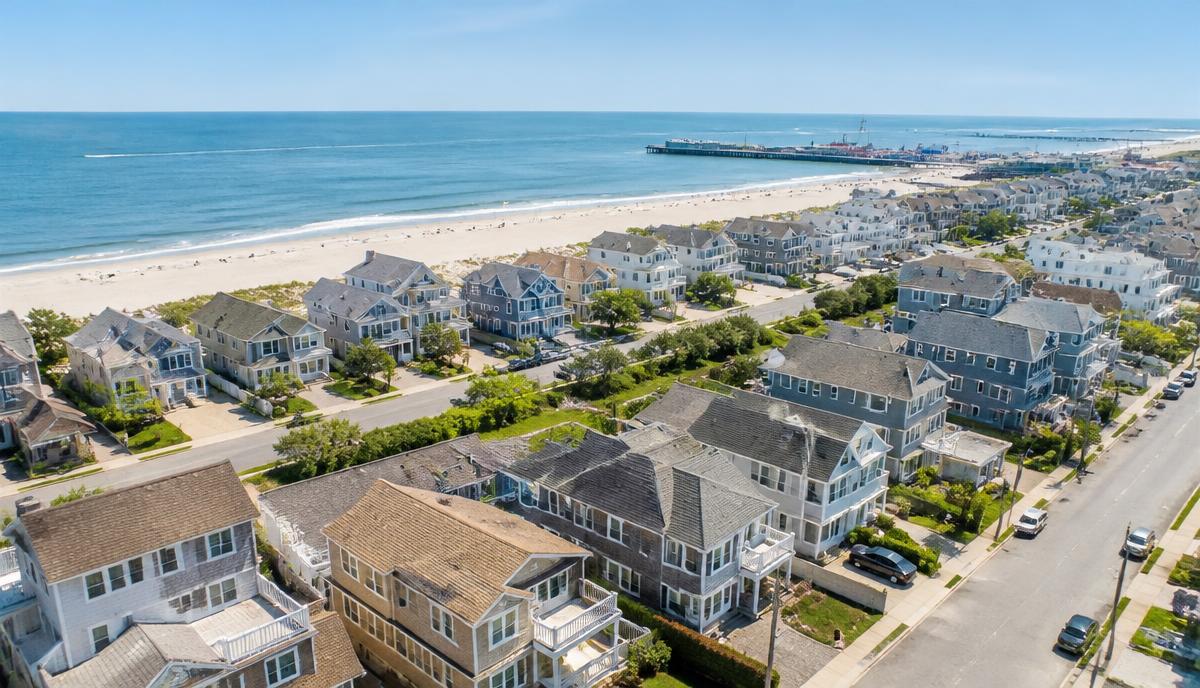
Yes, oceanfront homes in Point Pleasant are subject to specific zoning ordinances and coastal regulations. These rules govern building height, lot coverage, and proximity to the shoreline. When financing a property here, you must account for how these local regulations affect your ability to renovate or expand the structure in the future.
Understanding Coastal Zoning and Local Ordinances
Point Pleasant is a community defined by its coastal character. Many oceanfront properties fall under specific zoning codes intended to preserve the scale and safety of the waterfront. Unlike inland areas in Jackson or Brick, coastal zoning often prioritizes specific setbacks from the dune line and total impervious surface coverage. These are not just guidelines; they are legal requirements enforced by the local planning board to manage density and protect the integrity of the shoreline.
When you evaluate a property, always ask about the history of the site. Is it located within a specific high-risk zone? Are there easements that limit future modifications? These details affect the long-term utility of your investment. It is vital to work with professionals who understand the nuances of local ordinances before committing to a mortgage. You do not want to purchase a property only to find that your desired renovations are barred by existing codes.
Consider these common factors that influence coastal property zoning:
Mandatory setbacks from the mean high-water line.
Strict lot coverage limits to prevent over-building on smaller coastal lots.
Design standards that maintain the architectural character of the neighborhood.
Financing Challenges for Restricted Coastal Assets
Securing financing for an oceanfront home requires specialized planning. Lenders need to understand the full scope of any deed restrictions or easements. If a home has a restriction that limits its use or structural change, the appraisal process can become more complex. You need to ensure the property is being valued accurately despite these limitations. Your lender should have significant experience with [Second and vacation homes](/loan-options/second-home-vacation-home) in high-value, restricted areas.
Do not assume that every lender knows how to handle the intricacies of beachfront property in Ocean County. We often see borrowers surprised by the requirements for specialized insurance or the impact of environmental setbacks on their loan-to-value ratio. By having a clear plan, you avoid last-minute hurdles during the underwriting process. Transparency about your renovation plans is key to getting the right loan structure.
When reviewing your options, keep these points in mind:
High-value properties often require [Jumbo loans](/loan-options/jumbo-loans) due to local market pricing.
Historical or site-specific status might trigger additional regulatory reviews.
Environmental disclosures are often required for homes near the water.
Managing Environmental and State-Level Mandates
Beyond local zoning, you must consider state-level environmental regulations. State mandates play a major role in how you can develop land near the water. Even if your local zoning allows for a larger deck or an added room, state agencies often have the final say. These mandates exist to protect the shoreline, but they can significantly alter your project timeline and budget. Always perform due diligence before assuming you can change the exterior footprint of a house.
Many buyers look at towns like Manahawkin or Little Egg Harbor and assume the same rules apply everywhere. This is a mistake. Each town has a different relationship with the state regarding environmental oversight. In Point Pleasant, the focus on preserving the dune and beach environment is intense. You should consult with a land-use attorney or a local surveyor early in your search. Knowing the boundaries of your property is just as important as knowing the terms of your mortgage.
Factors that often trigger environmental oversight include:
Adding impervious surface area to the property lot.
Significant structural changes to the primary residence.
Proximity to protected dune vegetation and sensitive ecosystems.
Planning for Insurance and Ongoing Maintenance Costs
Zoning restrictions often correlate with higher maintenance and insurance requirements. If a property is restricted due to its location, you might face specific insurance mandates regarding building materials or fire safety. This is a cost you must factor into your monthly budget. When we help you [Build my mortgage plan](/plan), we look at the full picture, including taxes and hazard insurance, to ensure you can comfortably afford the home over the long term.
Do not forget that oceanfront properties in Ocean County require a robust insurance strategy. You are not just paying for the loan; you are paying for the protection of the asset. Because many homes in this area are older, you might be required to perform upgrades to bring the systems up to current code. Being proactive about these expenses helps you maintain the property value and stay within your financial goals.
Key considerations for your budget:
Budget for specialized wind and flood insurance policies.
Plan for periodic code-compliance upgrades required by municipal inspectors.
Factor in the cost of professional inspections for coastal structures.
Frequently asked questions
Can I renovate an oceanfront home without local restrictions?
Not necessarily. Even properties without historical designations are subject to current zoning and building codes. You may be required to meet strict design standards or setback requirements. Always check with the local zoning office before starting any project that affects the exterior footprint or height of your home.
How do zoning restrictions affect my mortgage approval?
Zoning restrictions generally do not prevent a loan, but they impact the appraisal. If a property has severe restrictions that lower its marketability or limit its use, the appraiser must note this. We recommend having your plans reviewed early to ensure the property meets all lender guidelines for your chosen loan program.
Are there differences in zoning between Point Pleasant and nearby towns?
Yes. While both are in Ocean County, Point Pleasant has unique localized ordinances regarding oceanfront density compared to larger, less dense areas. Every municipality manages its own coastal zoning and set of rules. Always review local codes for the specific municipality where you intend to purchase your home.
Do I need a special loan for a restrictive oceanfront property?
You do not necessarily need a specialized loan, but you need a program that accommodates high-value coastal assets. Many oceanfront homes exceed standard conforming loan limits, making [Jumbo loans](/loan-options/jumbo-loans) a common choice. We look at the total financial picture to determine the most effective structure for you.
What to do next
Navigating the zoning landscape of Point Pleasant requires patience and the right team. While the restrictions are designed to keep the town beautiful and safe, they can add layers of complexity to your purchase. When you are ready to explore your options, focus on gathering as much information as possible about the specific property in question. Do not hesitate to ask questions about easements, historic designations, or environmental constraints before you make an offer. By understanding these factors, you ensure that your investment remains a source of pride for years to come.
Keep reading
Have questions about buying, financing or refinancing a home? Call Abdel Khawatmi and the Got Mortgages team at 973-536-0276 or visit GotMortgages.com.
Author: Abdel Khawatmi with PRMG Got Mortgages | 201-679-0422
This article is general mortgage information only. It is not a commitment to lend, a rate quote, or legal or tax advice. Loan approval, terms and pricing depend on a full application, credit review and property details, and market conditions change. Talk with a licensed loan officer and your own legal or tax professional about your situation.