
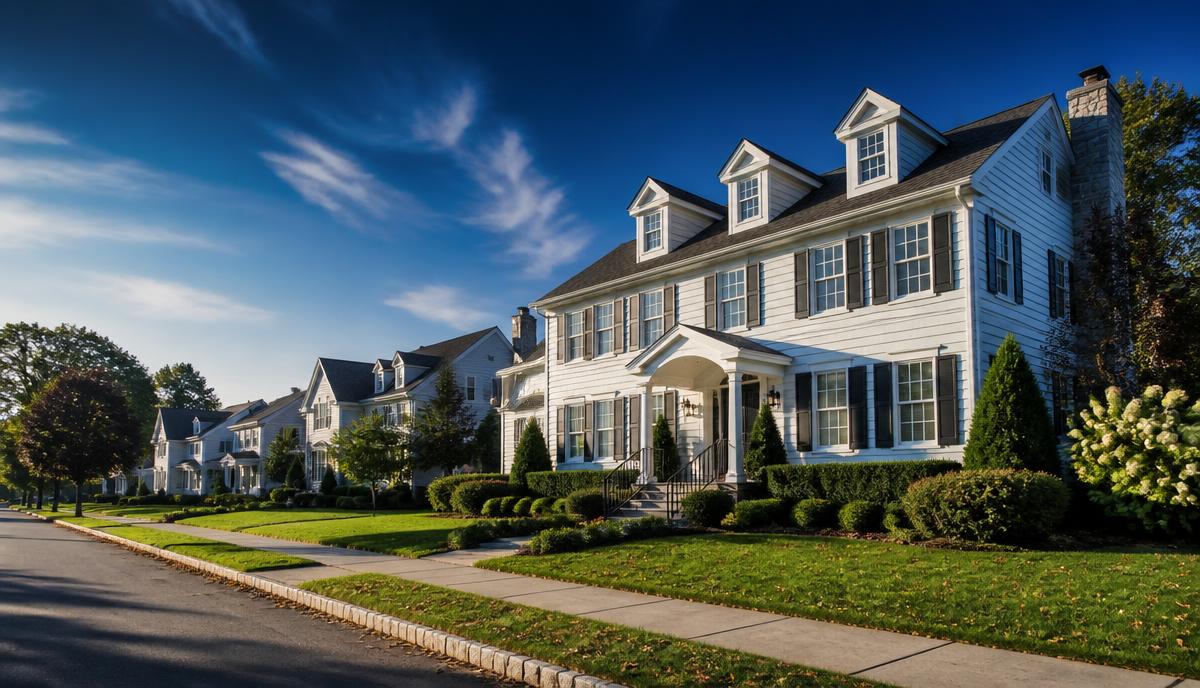
There is no specific municipal tax abatement program for historic residential homes in downtown Red Bank. While the town values its architectural heritage, individual homeowners do not receive property tax breaks simply due to a home's historic designation. You should always budget for full property tax assessments when planning your purchase.
Understanding the Local Tax Landscape
When you search for historic homes in Red Bank, it is common to wonder if your investment in preservation earns a tax break. In Monmouth County, property taxes are calculated based on the assessed market value of the land and structures, alongside the annual budget requirements set by the municipality, local schools, and the county. A historic designation, whether it is a local ordinance or a listing on the National Register, does not trigger an automatic reduction in your tax liability.
Property taxes remain a consistent, non-negotiable obligation for every resident. When you plan your purchase, treat these figures as fixed costs. Do not factor in potential, non-existent abatements to balance your monthly mortgage payment. I always suggest that my clients verify the current tax assessment using public municipal records before they submit an offer. Planning your mortgage with the actual, current tax figures is the most responsible way to ensure long-term affordability in our local market. Do not assume that the age or charm of the property provides any shelter from standard tax assessments.
The Realities of Historic Preservation Costs
Owning a historic property in Red Bank brings pride, but it also carries unique responsibilities. If your home is located within a designated historic district, you may be subject to specific architectural guidelines. These local ordinances exist to preserve the visual character of our streets. While these rules maintain the aesthetic appeal that draws people to Red Bank, they can impact your renovation process and your bottom line.
You must be prepared for the following:
* Strict adherence to approved materials for exterior repairs.
* Potential reviews by the local historic preservation commission.
* Higher costs for specialized labor or authentic materials.
There is no financial offset provided by the town for these preservation requirements. When evaluating your monthly housing budget, treat these potential restoration costs as part of your total investment. Your goal should be to find a property that aligns with your lifestyle while keeping the realities of maintenance in mind. Working with an expert lender who knows the Monmouth County market allows us to model these variables accurately. We focus on ensuring your mortgage payment remains sustainable even after accounting for the upkeep a historic home demands.
Financing Your Historic Home Purchase
Buying a historic home requires a structured financial approach. Because these properties often have older systems—like plumbing or electrical setups—you need a mortgage product that fits the property's condition. While conventional financing is standard, many buyers find that renovation-focused loans offer more flexibility. These programs allow you to finance the cost of necessary improvements directly into your mortgage. This can be a practical way to manage the initial cash outlay required for modernizing a kitchen or bathroom without exhausting your personal savings.
Consider these strategic approaches:
* Reviewing renovation loan products for aging properties.
* Maintaining healthy cash reserves for unexpected repairs.
* Assessing the property's utility efficiency to offset high heating or cooling costs.
Your financing path should be tailored to your long-term goals. Whether you are looking at a move-in-ready historic gem or a home needing a light refresh, it is essential to align your loan structure with your financial health. Do not overextend yourself; instead, prioritize a mortgage plan that leaves room for the unique upkeep requirements that come with protecting the character of a home in our historic district.
Steps to Take Before You Submit an Offer
Before you sign a contract on a historic home, you must perform thorough due diligence. Start by speaking with a mortgage professional to establish a clear, realistic budget. Once you have a firm price range, investigate the neighborhood's specific zoning. Does the property sit inside a protected district? Understanding the rules now prevents headaches later. Knowledge is your best asset when competing in the Red Bank market.
Take these proactive steps before you lock in a property:
* Request a detailed history of property maintenance from the seller.
* Research any local ordinances that dictate exterior modifications.
* Use our online tools to calculate your potential monthly obligations.
* Discuss your plans with a lender who understands the nuances of New Jersey property standards.
By being organized and methodical, you can make a decision that you will feel confident about for many years. Historic homes are a staple of the Monmouth County landscape, but they require a different level of planning than newer builds. Take the time to align your finances with the reality of the property's needs to ensure your long-term satisfaction and security.
Frequently asked questions
Does having a historic home plaque mean I pay lower property taxes?
No. A historic plaque or designation does not trigger any reduction in your property taxes in Red Bank. Taxes are assessed based on the fair market value of the property and the town's annual budgetary needs. You should expect to pay the full, current assessed tax amount regardless of the property's status as a historic building.
Are there municipal grants for restoring historic homes in Red Bank?
Direct municipal grants for private residential historic preservation are not standard in Red Bank. While some state-level programs may exist for specific non-profit or commercial entities, private homeowners typically fund their own maintenance and restoration projects. You should plan to finance these costs through your personal savings or specialized renovation-focused mortgage products.
Should I expect higher insurance premiums for a historic home?
It is very common. Historic homes may cost more to insure because of the specific materials required to meet historic guidelines or current building codes. These materials can be harder to source and more expensive to install. Insurance providers calculate these factors into your risk profile, which often results in higher premiums than those for modern homes.
How can I find out if a home is in a historic district?
You can contact the Red Bank municipal office or visit the borough’s official website. They maintain records of all properties located within designated historic districts. Your real estate agent should also provide this information as part of your initial due diligence, helping you understand any potential renovation guidelines before you ever decide to make an offer.
What to do next
Purchasing a historic home in Red Bank is a rewarding way to contribute to the character of our community. While you should not rely on tax abatements to lower your obligations, sound financial planning ensures your home remains a stable investment. Focus on building a mortgage plan that accounts for the true cost of taxes, maintenance, and potential renovations. For personalized guidance on your next home purchase, connect with me to discuss your mortgage options and build a clear, sustainable path forward.
Keep reading
Have questions about buying, financing or refinancing a home? Call Abdel Khawatmi and the Got Mortgages team at 973-536-0276 or visit GotMortgages.com.
Author: Abdel Khawatmi with PRMG Got Mortgages | 201-679-0422
This article is general mortgage information only. It is not a commitment to lend, a rate quote, or legal or tax advice. Loan approval, terms and pricing depend on a full application, credit review and property details, and market conditions change. Talk with a licensed loan officer and your own legal or tax professional about your situation.