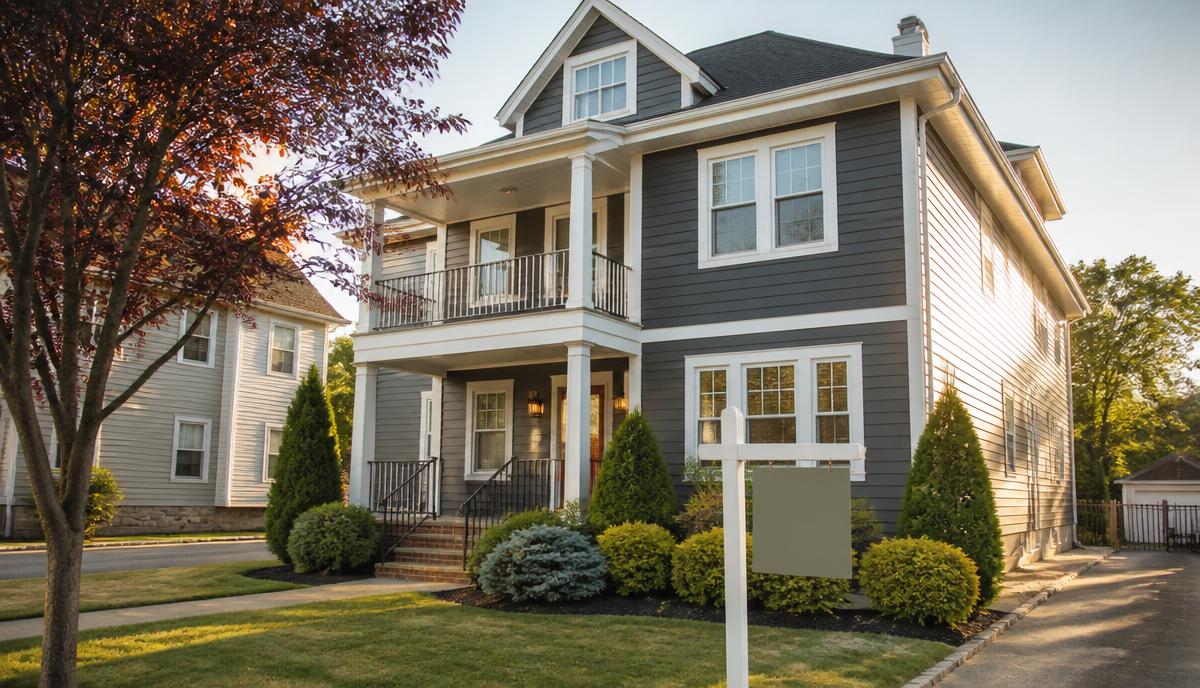
To finance a duplex in Seaside Park with a minimal down payment, you should consider an owner-occupant strategy. By living in one unit, you may access government-backed mortgage programs with significantly lower down payment requirements than pure investment loans. This approach is the most effective way to enter the market while managing your upfront capital.
The Reality of Investment Property Down Payments
When you buy a property strictly as an investment, lenders view it differently than a home you intend to inhabit. For a non-owner-occupied duplex, underwriting guidelines typically mandate a higher down payment compared to a primary residence. This is because rental properties are seen as carrying a higher level of financial risk. If you are looking at listings in areas like Toms River or Brick, be aware that conventional investment loans often require significant capital reserves.
According to the Fannie Mae Eligibility Matrix, conventional investment property financing for a multi-unit dwelling generally requires a higher down payment than a single-family primary home. You cannot typically access the low-down-payment programs intended for families buying their first home if you plan to keep the property vacant or exclusively as a rental. Understanding this distinction is the first step in building a realistic budget. Visit /loan-options/conventional-loans to learn more about how these specific standards work for different property types.
Leveraging Owner-Occupant Programs
If your goal is to minimize your down payment, you should explore living in one of the two units. When you designate the duplex as your primary residence, you unlock access to government-backed loan programs. These loans are designed to encourage homeownership rather than real estate speculation. By choosing this path, you might find that your down payment requirement drops significantly compared to an investor loan.
Many clients in Point Pleasant or Manahawkin use this strategy to get a foot in the door of the shore market. You can live in one unit while renting out the other during the summer season. This helps offset your mortgage costs while you build equity. Be mindful that these programs require you to move into the property within a certain timeframe and treat it as your primary home. Use /loan-options/fha-loans to review if this path aligns with your personal housing goals.
The Importance of Documenting Rental Income
When you are applying for a mortgage on a duplex, the potential rental income can sometimes be used to help you qualify. Lenders look at the potential cash flow from the property to determine your debt-to-income ratio. However, they do not simply accept a projected rent roll. They rely on formal appraisals that look at current market rents in the local area. This is a crucial step for properties located in high-demand seasonal zones like those found near the coast.
You must ensure your financial documents are organized before starting the process. This includes tax returns, pay stubs, and bank statements that show you can handle the closing costs and potential upkeep. If you are self-employed, the requirements become even more specific. Consult with a professional to see how your specific income profile fits the lending criteria. You can find guidance on managing these documents at /resources/mortgage-preapproval-documents.
Long-Term Costs and Financial Planning
Financing a property is only the first part of the equation. You must also account for the ongoing costs of maintaining a rental property in Ocean County. This includes property taxes, homeowner insurance, and the costs associated with seasonal maintenance. A shore-based property, even one in a protected area, may require specific insurance considerations that differ from inland locations. Always factor these into your monthly budget so you are not caught off guard by unexpected expenses.
It is important to look at the total cost of ownership over several years, not just the monthly mortgage payment. A house that is vacant during the off-season still requires heating and utilities to prevent damage. Always build a comprehensive plan that accounts for these seasonal fluctuations. You can start creating your own personalized strategy by using the tools provided at /plan.
Frequently asked questions
Can I use an FHA loan for a duplex?
Yes, you can use an FHA loan for a duplex if you plan to live in one of the units as your primary residence. This allows for a lower down payment compared to non-occupant investment loans. If you do not intend to live in the property, you generally cannot use FHA financing.
What is the difference between an investment loan and a primary loan?
A primary loan is for a property where you live as your main residence, often featuring lower down payment options. An investment loan is for properties you intend to rent out. Investment loans usually carry stricter down payment requirements and sometimes higher interest rates because they are considered higher risk by lenders.
Do I need a lot of cash reserves to buy a duplex?
Lenders typically require proof of cash reserves when buying a multi-unit property. This ensures you can cover the mortgage payments if a unit is vacant or if unexpected repairs arise. The amount required depends on your total loan package, credit score, and whether you are occupying one of the units.
How does renting affect my tax situation?
Rental income is generally treated as taxable income. You must report all income generated from your tenants. Conversely, you may be able to deduct certain expenses related to managing and maintaining the rental portion of the property. I am not a tax professional, so you should consult a CPA to understand your specific liabilities.
What to do next
Entering the rental market in Ocean County is a significant financial step that requires careful preparation and clear intent. By focusing on owner-occupant strategies, you can access more favorable financing terms while establishing a footprint in the local community. Always prioritize transparency with your lender regarding your plans for the property to ensure your mortgage strategy is sound. When you are ready to review your financial situation and explore your loan options, I am here to assist you with a clear, professional plan. Let's get to work on your goals. Contact me at /contact to discuss your next move.
Keep reading
Sources
Have questions about buying, financing or refinancing a home? Call Abdel Khawatmi and the Got Mortgages team at 973-536-0276 or visit GotMortgages.com.
Author: Abdel Khawatmi with PRMG Got Mortgages | 201-679-0422
This article is general mortgage information only. It is not a commitment to lend, a rate quote, or legal or tax advice. Loan approval, terms and pricing depend on a full application, credit review and property details, and market conditions change. Talk with a licensed loan officer and your own legal or tax professional about your situation.