
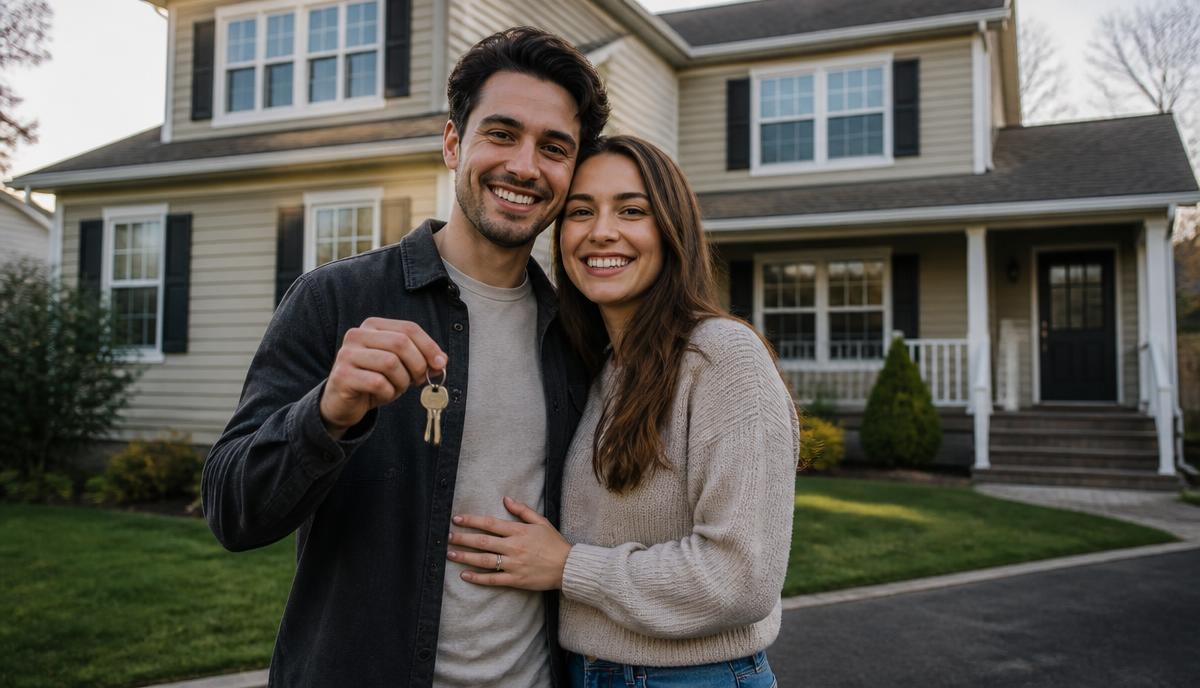
When touring homes for the first time in Monmouth County, you should focus on evaluating the property's overall condition, the home's layout and functionality, the surrounding neighborhood, and potential maintenance needs. Look beyond superficial aesthetics to assess structural integrity, room flow, and the area’s amenities to ensure it aligns with your lifestyle and budget.
Beyond the Photos: The Real Condition of the Home
Online photos are curated. Your first home tour is your chance to see the reality. Pay close attention to visible signs of wear and tear. Look at the roof. Are shingles curling or missing? Check the foundation for large cracks. These can signal major issues.
Inside, inspect walls and ceilings for water stains. These often point to leaks. Test light switches and faucets. Make sure water pressure is adequate. Open and close windows and doors to ensure they operate smoothly. These small checks can save you big headaches later. This initial assessment helps you understand potential immediate repair costs and long-term maintenance needs.
Don't shy away from opening closets or looking in the basement. These areas can reveal a lot about a home's upkeep. A clean, dry basement is a good sign. A musty smell? That could mean moisture problems. These are crucial details for first-time buyers in places like Manalapan or Howell.
Layout, Flow, and Functionality for Your Lifestyle
Think about how you live daily. Does the home's layout support your lifestyle? Consider the kitchen's size and functionality. Is there enough counter space? Will it accommodate your appliances? The kitchen is often the heart of the home.
Evaluate the bedroom sizes. Will your furniture fit? Are there enough bathrooms for your needs? Think about the flow between rooms. Does it feel open or cramped? Do you prefer an open-concept living area or more defined spaces? In towns like Red Bank, where space can be at a premium, efficient layouts are especially important.
Also, consider storage. Is there ample closet space? A garage? An attic? A finished basement? Lack of storage can quickly make a home feel cluttered. Imagine your daily routines in the space. Will this house work for you now and in the coming years?
The Neighborhood Vibe: More Than Just the House
The home itself is one part of the equation. The neighborhood is just as important. Drive around the area at different times of day. What is the traffic like? Is it quiet or bustling? Observe the condition of other homes on the street. Well-maintained properties often indicate a desirable area.
Look for amenities that matter to you. Are there parks, schools, or local shops nearby? Consider commute times to work or family. If you have kids, research school districts. In Monmouth County, towns like Middletown and Wall have excellent reputations for their schools. Your realtor is a great resource for neighborhood specifics.
Safety is another key factor. Are there sidewalks? Good street lighting? A walk around the block can give you a genuine feel for the community. The neighborhood should feel like home, not just the house within it.
Understanding the Home's Systems and Potential Updates
A home is more than just walls and a roof. It has critical systems that keep it running. Pay attention to the HVAC system (heating, ventilation, and air conditioning). Ask about its age. An older system might need replacing soon. Check the water heater. Note its size and age.
Look at the electrical panel. Does it appear modern or outdated? Fuses are a red flag; breakers are standard. Understand the plumbing. Are there visible signs of leaks or corrosion? While a professional inspection will cover these in detail, your initial tour is a good time to spot obvious issues.
Consider windows and insulation. Older windows can be drafty, leading to higher energy bills. Are there areas that would benefit from better insulation? These are all factors that influence your long-term costs and comfort. For example, homes in coastal towns like Long Branch might have specific considerations due to salt air exposure.
Your Mortgage Pre-Approval: Knowing Your Buying Power First
Before you even step foot in a Monmouth County home, get pre-approved for a mortgage. This is not just a suggestion; it's a critical first step. It tells you exactly how much you can realistically afford. This narrows your search and prevents you from falling in love with a home outside your budget.
A pre-approval makes you a serious buyer in the eyes of sellers. In a competitive market like ours, this can give you a significant edge. It streamlines the entire home-buying process, from touring to closing. It lets you focus on finding the right home, not worrying about financing.
Understanding your budget early also helps us, your mortgage experts, guide you to the best loan options. Whether it’s an FHA loan or a conventional mortgage, knowing your limits upfront is key. Let's discuss your options. You can start by building your mortgage plan with us.
Frequently asked questions
Should I bring anyone with me on my first home tour?
Yes, absolutely! Bring a trusted friend, family member, or your real estate agent. A second pair of eyes can spot things you might miss. They offer a different perspective and can help you remember details about each property you see. Your agent also offers valuable insights into market conditions and property values in towns like Eatontown or Asbury Park.
How many homes should I tour during my first outing?
Keep your first touring session focused. Aim for three to five homes. Seeing too many at once can lead to fatigue and confusion. You want enough time to properly evaluate each one without feeling rushed. Take notes and photos for each property to help you remember the specifics later.
What kind of notes should I take while touring?
Jot down key features, pros, and cons for each home. Include details like the number of bedrooms/bathrooms, specific room sizes, kitchen condition, and neighborhood feel. Also note any immediate concerns or red flags. A simple checklist or rating system can be very helpful. Don't forget to take photos or videos to jog your memory.
Should I talk to the neighbors during a home tour?
If the opportunity arises, a brief, friendly chat with neighbors can be very informative. They can offer unique insights into the community, noise levels, local amenities, and general neighborhood atmosphere. Just be respectful of their time and privacy. This informal interaction can provide valuable context beyond the property itself.
What if I fall in love with the first home I see?
It happens! While exciting, try to maintain a critical eye. Revisit your checklist. Does it meet your needs and budget? If it feels right, trust your gut. However, it's wise to still see a few more homes to ensure you’re making an informed decision, especially in a diverse market like Monmouth County.
What to do next
Your first home tour in Monmouth County is a pivotal step. It’s your chance to move beyond online listings and experience a property firsthand. By focusing on the home's condition, layout, neighborhood, and systems, you'll gather the essential information needed to make smart decisions. Don't rush. Ask questions. Take notes. This careful approach will lead you to a home that perfectly fits your life here in New Jersey. I am here to guide you through the financial side, making your home-buying journey as smooth as possible.
Keep reading
Have questions about buying, financing or refinancing a home? Call Abdel Khawatmi and the Got Mortgages team at 973-536-0276 or visit GotMortgages.com.
Author: Abdel Khawatmi with PRMG Got Mortgages | 201-679-0422
This article is general mortgage information only. It is not a commitment to lend, a rate quote, or legal or tax advice. Loan approval, terms and pricing depend on a full application, credit review and property details, and market conditions change. Talk with a licensed loan officer and your own legal or tax professional about your situation.