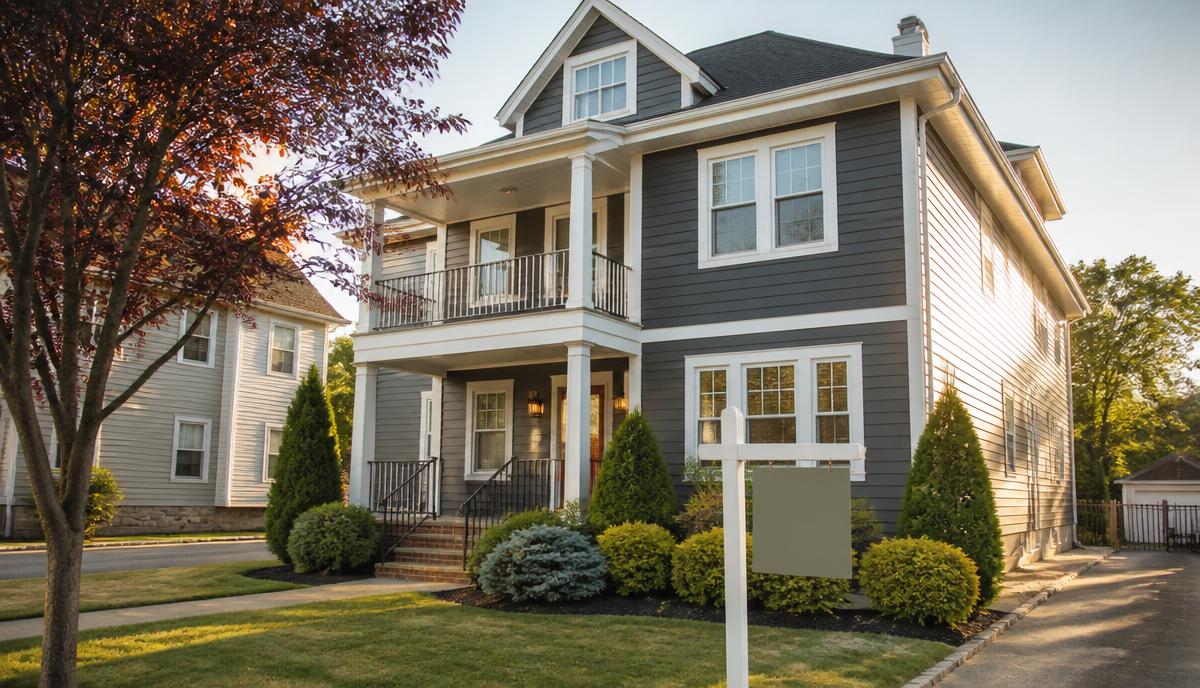
For a seasonal rental property on Long Beach Island, a conventional investment property loan is typically the best starting point. These loans require higher down payments than primary residences but provide stable, fixed-rate financing. If you focus on rental income to qualify, a DSCR loan may serve as a viable alternative for your Ocean County investment.
Understanding Investment Property Classification in Ocean County
When you search for property in Ocean County, specifically on Long Beach Island, the way a lender classifies the home changes the financing rules. If you buy a house that you plan to rent out for part of the year, it is generally treated as an investment property. Lenders view these as higher risk than a primary residence because you have other financial obligations, and rental income can fluctuate with the seasons.
Because the risk is higher, you should prepare for stricter underwriting standards. You will likely see higher interest rates and requirements for larger cash reserves compared to buying a home where you live year-round. Understanding these differences early helps you budget more effectively. Whether you are looking in Manahawkin, near the bridge to LBI, or directly on the island, having a clear plan is essential for your success. You can find detailed resources about different mortgage paths at /loan-options.
Your property type dictates your loan options. An investment purchase in Ocean County carries different requirements than a second home purchase. Be sure to confirm your intended use with your loan officer before you submit an offer to ensure the product matches your long-term goals.
The Conventional Loan Advantage for Rental Buyers
A conventional mortgage is the most common tool for purchasing a seasonal rental. These loans are often preferred because they allow for fixed interest rates, which provides long-term predictability for your budget. You know exactly what your payment will be each month, regardless of whether the rental market is active or slow.
To qualify, you generally need a solid credit history and proof of consistent personal income. Conventional loans for investment properties usually require a significant down payment. This capital investment serves as your skin in the game, which lenders prefer. When you are ready to explore your options, looking at /loan-options/conventional-loans can help you understand the specific requirements for credit scores and down payment levels that lenders typically look for in the current environment.
* Maintain a strong credit score to help qualify for better terms.
* Keep debt-to-income ratios low to satisfy lender requirements.
* Document all sources of personal income clearly for the underwriter.
A conventional loan is a stable foundation for many LBI investors because it allows you to keep your financing costs locked in while you manage the property operations over the years.
Exploring DSCR Loans for Income-Focused Investors
For some buyers in Ocean County, traditional employment-based financing is not the best fit. If you have a complex income stream or already own several properties, you might consider a Debt Service Coverage Ratio (DSCR) loan. Instead of looking at your tax returns and W-2 forms, this loan focuses on the property itself.
A DSCR loan evaluates whether the expected rental income from the LBI property covers the monthly mortgage payment. This is a powerful tool for investors who want to expand their portfolio without relying solely on their personal salary. While these loans offer more flexibility regarding how your income is calculated, they often carry higher interest rates and require a larger initial down payment. If you are curious about this specialized route, you can read more at /loan-options/dscr-loans to see if it aligns with your strategy.
* DSCR loans assess the property's ability to pay for itself.
* They often require less personal financial documentation than conventional loans.
* Down payment requirements are typically higher for non-owner-occupied properties.
By evaluating the rental potential of the unit, these loans allow investors to leverage market performance rather than just personal earnings.
The Role of Cash Reserves and Financial Stability
Regardless of the loan type you choose, lenders want to know you are prepared for the realities of property ownership. This is especially true for seasonal rentals where income is not constant every month of the year. Lenders will require documentation of cash reserves. These are liquid assets, like savings, that act as a safety net if the property is vacant for an extended period or needs urgent repairs.
Your credit profile also remains a central factor. A strong credit score helps you access the most competitive terms available. Before you begin your search on the island, organize your financial documents, including your tax returns and bank statements. Being proactive with your paperwork makes the process faster and shows lenders that you are a serious borrower. For a list of what you need, visit /resources/mortgage-preapproval-documents to prepare for your application.
* Accumulate enough liquid cash to cover six months of mortgage payments.
* Keep your financial accounts clean and easily auditable.
* Be prepared to explain any large deposits in your bank statements.
Financial preparation is the most significant step in your mortgage journey. It provides the buffer necessary to manage an asset in a competitive market.
Frequently asked questions
Is a second home loan the same as an investment property loan?
No. A second home loan is for a property you use exclusively for your own personal enjoyment. If you intend to rent the property out to generate income, it must be financed as an investment property. Lenders have specific guidelines and requirements for investment loans because the property serves as a business asset rather than a residence.
Do I need a 20 percent down payment for an LBI rental?
Most conventional investment property loans require a down payment of at least 20 percent to meet standard lending guidelines. While some specific programs might allow for different terms, the 20 percent threshold is a common standard for these transactions. Always review your specific financial situation with a lender to see what requirements apply to your purchase.
How does LBI's seasonality impact my mortgage?
Lenders understand the seasonal nature of Ocean County rentals, but they do not use the seasonality to qualify your loan. Instead, they qualify you based on your personal income and assets. You must show you have the capacity to cover the mortgage payment throughout the entire year, even during the months when the property is vacant.
What documents are required to start a rental property application?
To get started, you should prepare your most recent pay stubs, W-2 forms, and tax returns for the last two years. You will also need current bank statements to document your down payment and liquid cash reserves. These documents help a lender verify your ability to handle the mortgage commitment alongside your other recurring debt obligations.
What to do next
Purchasing a seasonal rental on Long Beach Island is a big step for any investor in Ocean County. Whether you choose a conventional loan for its stability or a DSCR loan for its focus on rental income, the right strategy depends on your personal financial goals. Take your time to review your reserves, organize your credit profile, and understand the requirements of each loan program before you make an offer. I am here to provide the clarity you need to navigate these options. Reach out to me at /team/abdel-khawatmi to start your journey today. Contact me at /contact to schedule your consultation and we will begin building your personalized mortgage plan to get you closer to your goals.
Keep reading
Have questions about buying, financing or refinancing a home? Call Abdel Khawatmi and the Got Mortgages team at 973-536-0276 or visit GotMortgages.com.
Author: Abdel Khawatmi with PRMG Got Mortgages | 201-679-0422
This article is general mortgage information only. It is not a commitment to lend, a rate quote, or legal or tax advice. Loan approval, terms and pricing depend on a full application, credit review and property details, and market conditions change. Talk with a licensed loan officer and your own legal or tax professional about your situation.