
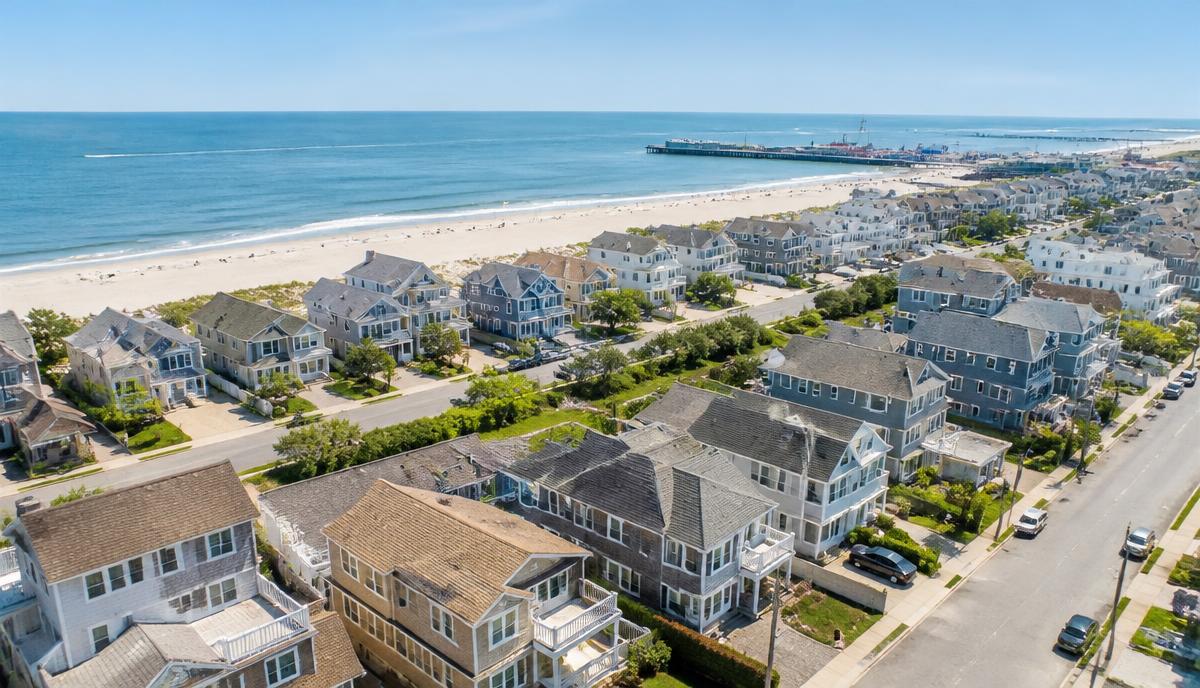
Buying a home in the wetlands of Little Egg Harbor often involves significant hidden costs beyond the purchase price. Prospective buyers must prepare for mandatory flood insurance premiums, engineering fees for elevation certificates, and ongoing maintenance related to saltwater exposure and environmental compliance that can impact your long-term budget significantly.
Understanding the True Impact of Flood Zones
When you look at properties in Little Egg Harbor, you are often looking at land that sits near the bay or tidal marshes. This proximity is beautiful, but it places many homes firmly within high-risk flood zones. Unlike standard homeowners insurance, flood insurance is often a mandatory requirement if your property sits in a Special Flood Hazard Area. Your mortgage lender will require this policy to protect their collateral.
The costs associated with these policies are not static. They can increase based on federal risk mapping updates. You should also consider the cost of an Elevation Certificate. This document is essential for determining your specific flood risk and potential insurance premiums. If the home is not built to current base flood elevations, your insurance costs may be significantly higher than a home in a non-coastal area like inland portions of Jackson. Always budget for these premiums as a recurring annual cost rather than a one-time closing expense.
Managing Saltwater Exposure and Environmental Maintenance
Homes in low-lying coastal areas like Little Egg Harbor face unique environmental pressures. The salt air is notoriously harsh on building materials. You will find that exterior maintenance costs are typically higher here than in places like Beachwood or Barnegat. Salt accelerates the corrosion of metal fixtures, roof components, and even HVAC systems. You need to account for more frequent repairs or the selection of high-grade, marine-durable materials when updating the property.
Furthermore, if your property borders protected wetlands, you may face strict environmental regulations. Any desire to clear brush, build a deck, or expand the home footprint will likely require local, state, and perhaps federal permits. These permitting processes take time and money. You might need to hire environmental consultants or surveyors to ensure you are not infringing on protected marshland. Ignoring these regulations can lead to substantial municipal fines and mandated restoration costs that fall entirely on the homeowner.
The Role of Bulkheads and Coastal Structures
Many properties along the lagoons and marshes of Little Egg Harbor utilize bulkheads to prevent erosion and manage the shoreline. If the property you are considering has a bulkhead, you have inherited a major structural responsibility. These walls do not last forever. They require routine inspection and periodic, costly repairs to prevent the ground under your home from shifting or washing away into the bay.
If a bulkhead fails, the cost of replacement or repair can be extensive. You must check the current condition of any marine structures before finalizing your purchase. Talk to neighbors or check town records to see if there have been past issues with erosion or flooding on the specific lot. In many cases, you will need to engage a specialized marine contractor to assess the bulkhead. Treat this as a major home system, similar to a roof or foundation, rather than a decorative landscape feature.
Hidden Costs in Site Preparation and Utilities
Buying land or an older home in a wetlands area often involves challenges with utilities and septic systems. Many of these areas are not connected to municipal sewer lines and rely on complex septic systems designed for high-water-table environments. These systems are significantly more expensive to install and maintain than standard systems found in higher-elevation towns like Toms River or Brick. If the system fails or requires an upgrade to meet modern environmental standards, the price tag can be substantial.
Additionally, site grading is often necessary to manage drainage effectively. If your property does not drain well, you face the risk of standing water and foundation damage. You might need to invest in french drains, sump pumps, or landscape regrading. These are not just aesthetic improvements; they are vital protective measures for your investment. Ensure you get a professional home inspection that specifically looks at drainage and the integrity of the septic or utility systems before you commit to the purchase.
Frequently asked questions
Is flood insurance mandatory in Little Egg Harbor?
If your home is located within a designated Special Flood Hazard Area, your mortgage lender will require you to carry flood insurance. This policy is separate from your standard homeowners insurance and must be maintained for the life of the loan to satisfy lender requirements.
What is an Elevation Certificate and why do I need one?
An Elevation Certificate is a document that identifies your building's elevation in relation to the estimated height of floodwaters during a major storm. It is used by insurance companies to determine your flood insurance premium. You should obtain one to get an accurate quote for your annual insurance costs.
Do wetlands regulations restrict home renovations?
Yes. If your property is near protected wetlands, you are subject to strict environmental oversight. Simple projects like building a fence, adding a patio, or expanding a deck may require permits from state or local authorities to ensure you are not disrupting the local ecosystem or drainage.
How often should I inspect a bulkhead on my property?
You should inspect your bulkhead at least annually and after any major storm event. Look for signs of shifting, cracking, or soil erosion behind the wall. Hiring a marine professional to assess the structure periodically is the best way to catch potential failures before they lead to expensive property damage.
What to do next
Purchasing a home in the wetlands of Little Egg Harbor is an exciting decision, but it requires a clear-eyed approach to the unique costs involved. Between flood insurance, the upkeep of marine structures like bulkheads, and environmental compliance for renovations, the financial reality of coastal living is different from other parts of Ocean County. By budgeting for these specific maintenance items and understanding your flood zone status early, you can make a confident decision that protects your long-term investment. Whether you are ready to start your search or need help structuring your budget, our team is here to assist.
Keep reading
Sources
Have questions about buying, financing or refinancing a home? Call Abdel Khawatmi and the Got Mortgages team at 973-536-0276 or visit GotMortgages.com.
Author: Abdel Khawatmi with PRMG Got Mortgages | 201-679-0422
This article is general mortgage information only. It is not a commitment to lend, a rate quote, or legal or tax advice. Loan approval, terms and pricing depend on a full application, credit review and property details, and market conditions change. Talk with a licensed loan officer and your own legal or tax professional about your situation.