
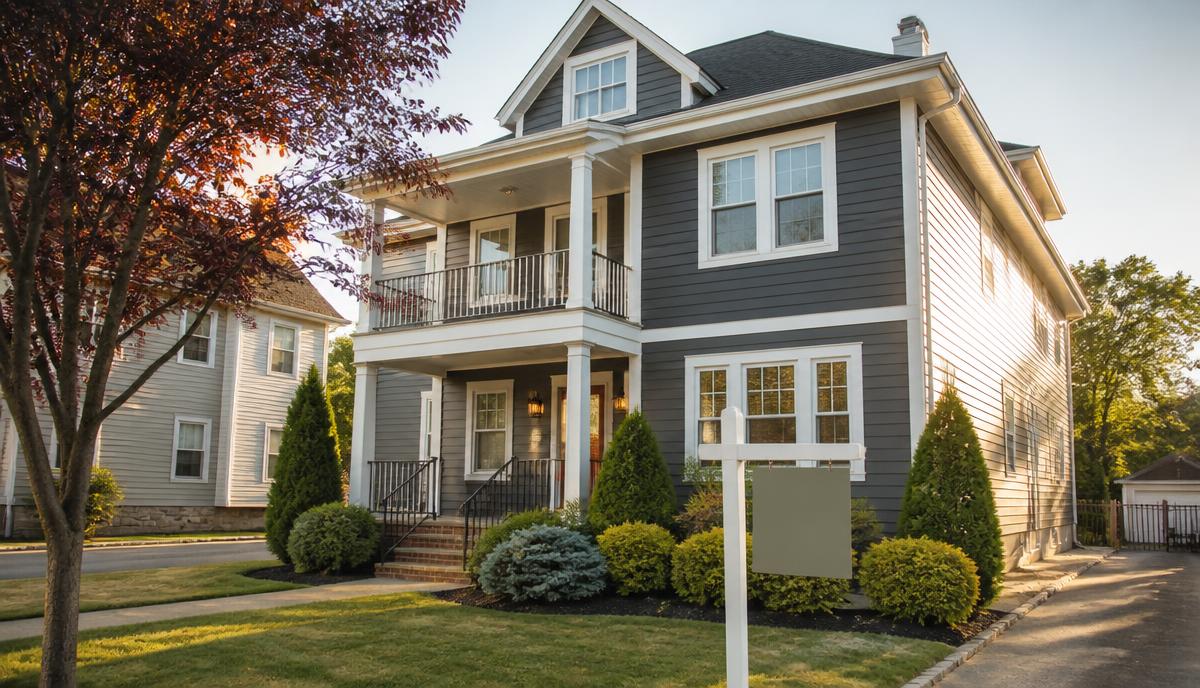
To prepare for a home inspection in Monmouth County, you should first hire a qualified, licensed inspector. Review the inspection agreement carefully, understand what's covered, and plan to attend the inspection. Ask your real estate agent about common local issues and prepare a list of questions or concerns specific to the property.
Understanding the Purpose of Your Home Inspection
A home inspection is not just a formality. It is a vital step in buying a home in Monmouth County. This professional assessment provides an objective look at the property's condition. It covers major systems and components. Think of it as a detailed health check for the house you want to buy.
The inspector will evaluate the roof, foundation, plumbing, electrical, and HVAC systems. They will also look at structural elements and general safety concerns. Their goal is to identify significant defects or safety issues. This helps you make an informed decision. It protects you from unexpected, costly repairs after closing.
In areas like Freehold, Middletown, or Long Branch, homes can vary greatly in age and style. An inspection helps uncover issues specific to older Victorian homes or newer construction alike. It's about due diligence. You want to know exactly what you are buying. This report gives you leverage for negotiations if problems are found.
Choosing the Right Licensed Inspector for Monmouth County
Selecting a qualified home inspector is paramount. Do not simply choose the cheapest option. Look for inspectors who are licensed by the New Jersey Home Inspection Advisory Committee. Ask your real estate agent for recommendations. They often work with reputable local professionals.
Verify their experience. Ask about their professional affiliations. A good inspector will carry proper insurance, including errors and omissions coverage. This protects you in case something is missed. You want someone thorough, unbiased, and excellent at communication.
Check their reviews and references. Ask specifically if they have experience with homes in Monmouth County. Local knowledge can be valuable. They might be familiar with common regional issues, like specific soil conditions or aging infrastructure in towns like Red Bank or Asbury Park. A truly qualified inspector is worth the investment.
Once you select an inspector, review their sample reports. Understand what to expect. Ensure their agreement clearly outlines the scope of work. It should detail what will be inspected and what falls outside the scope.
Reviewing the Inspection Agreement and Attending the Inspection
Before the inspection, read the inspection agreement carefully. This contract details the scope of services. It outlines what the inspector will examine. It also states what is excluded. Understand the limitations. For example, inspectors typically do not open walls or inspect behind furniture.
Make every effort to attend the home inspection. This is your opportunity to learn about your potential new home firsthand. You can ask questions in real-time. The inspector can point out issues and explain their significance. This hands-on experience is invaluable.
Plan to be there for the entire duration. Inspections can take several hours, depending on the size and age of the property. Wear comfortable clothes. Be prepared to walk around. Pay attention. Take notes or even photos if allowed. Your presence shows commitment and helps you absorb the information directly.
What to Look for and Ask During the Inspection
During the inspection, pay close attention to areas of concern. The inspector will guide you. However, you can also point out anything specific you noticed during your initial walk-throughs. Did you see a leaky faucet? Did a window seem stuck? Bring it up.
Ask about the age and condition of major systems. This includes the roof, HVAC, water heater, and electrical panel. Understand their remaining useful life. In towns like Eatontown or Wall, you might encounter properties with varying system ages. Knowing this helps you budget for future repairs.
Inquire about potential issues common to New Jersey homes. This might include radon, mold, or pest infestations. The inspector may recommend further specialized testing for these. Ask about water drainage around the foundation. This is particularly important for managing potential water intrusion.
Key questions to ask:
• What are the most significant issues found?
• What are routine maintenance items I should know about?
• How urgent are these repairs?
• Who should I call for these specific repairs?
• Are there any safety concerns I should address immediately?
Do not be shy. This is your chance to gather all the information you need. The more you know, the better prepared you will be.
Receiving and Interpreting the Inspection Report
After the inspection, you will receive a detailed report. This report will summarize the inspector's findings. It includes descriptions, photos, and recommendations. Take your time to read it thoroughly. Do not skim. This document is crucial for your next steps.
The report will categorize findings. Some issues are minor maintenance items. Others are significant defects requiring immediate attention. Understand the difference. Your real estate agent can help you interpret the report. They can advise on what issues are reasonable to negotiate.
Focus on major structural problems, safety hazards, and significant system failures. These are the items that can severely impact your finances and quality of life. Minor cosmetic issues or routine maintenance are typically your responsibility after closing. Prioritize the big things.
Discuss the findings with your agent. They can help you decide how to proceed. You might ask the seller for repairs, a credit, or a price reduction. In some cases, if the issues are too extensive, you might even decide to walk away from the purchase.
Frequently asked questions
Should I get additional inspections beyond a general home inspection?
Yes, depending on the general inspection's findings and property specifics. A general inspection might recommend specialized evaluations for radon, mold, pests, or septic systems. If the property is older or has unique features, a structural engineer or a roof specialist might be wise. Always discuss these recommendations with your agent for local expertise.
What happens if major issues are found during the home inspection?
If major issues surface, you have options. You can request the seller to repair the items, offer a credit at closing, or reduce the purchase price. Your real estate agent will help you draft an addendum to your contract. In some cases, if the problems are too extensive, you may choose to withdraw your offer, as per your contingency clause.
How long does a home inspection contingency usually last in NJ?
Home inspection contingencies in New Jersey typically last for a specific period, often 7 to 14 days after a signed contract. This timeframe allows you to conduct the inspection, review the report, and negotiate with the seller. Your real estate contract will specify the exact duration for your protection.
Can a seller refuse to address issues found in a home inspection?
Yes, a seller can refuse to address issues. However, you also have the right to accept the property as is, renegotiate, or potentially walk away from the deal if your contract includes an inspection contingency. Your power to negotiate depends on market conditions and the severity of the issues. Your agent provides critical guidance here.
What to do next
Preparing for your home inspection is a cornerstone of smart homeownership. It empowers you with knowledge. It protects your financial investment. By following these steps, you ensure you understand your future home's true condition. You can move forward with confidence. This due diligence is crucial whether you are buying in Manalapan, Howell, or anywhere else in Monmouth County. A thorough inspection leads to peace of mind. I'm Abdel Khawatmi, your mortgage expert. I am here to help you navigate every step of your home purchase journey. Let's make your homeownership dreams a reality.
Keep reading
Have questions about buying, financing or refinancing a home? Call Abdel Khawatmi and the Got Mortgages team at 973-536-0276 or visit GotMortgages.com.
Author: Abdel Khawatmi with PRMG Got Mortgages | 201-679-0422
This article is general mortgage information only. It is not a commitment to lend, a rate quote, or legal or tax advice. Loan approval, terms and pricing depend on a full application, credit review and property details, and market conditions change. Talk with a licensed loan officer and your own legal or tax professional about your situation.