
Purchasing an older home in Monmouth County offers unique charm, established communities, and often more land, but may come with higher maintenance needs and outdated systems. New construction provides modern designs, energy efficiency, and builder warranties, but often at a higher price point and in developing areas with smaller lots. Your best choice depends on your priorities and budget.
The Enduring Appeal of Older Homes in Monmouth County
Older homes throughout Monmouth County, from the historic streets of Freehold to the charming neighborhoods of Red Bank, carry a distinct character. They often feature architectural details you simply won't find in modern builds. Think intricate moldings, built-in cabinetry, and hardwood floors. These homes often sit on larger, more mature lots with established landscaping, providing shade and privacy right from day one.
Many older homes are located in highly desirable, well-established communities. This means less construction noise, mature trees, and neighbors who have lived there for years. The infrastructure is in place. You often have easy access to amenities, parks, and local businesses. However, be prepared for potential upgrades. While charming, older homes can hide issues like outdated plumbing, electrical systems, or roofs nearing the end of their lifespan.
The Modern Allure of New Construction in Monmouth County
New construction homes in Monmouth County, particularly in developing areas of towns like Howell or Manalapan, offer a fresh start. You're the first owner. Everything is new: appliances, systems, and finishes. This means fewer immediate maintenance concerns and the peace of mind that comes with builder warranties. These homes are built to modern codes, often incorporating energy-efficient features that can lead to lower utility bills.
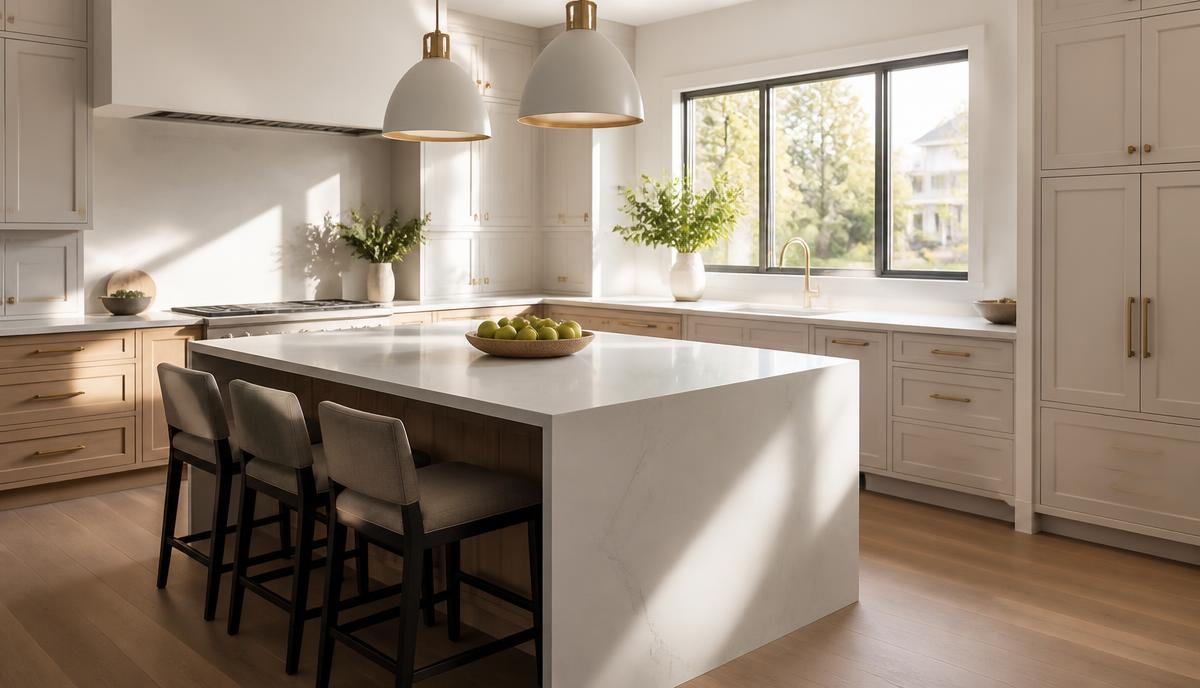
Think open floor plans, high ceilings, and smart home technology integrated from the start. You can often personalize finishes, choose your own flooring, countertops, and paint colors, making the home truly yours before you even move in. While exciting, new construction often comes at a premium. You might also find these homes in areas that are still developing, meaning less mature landscaping and ongoing construction nearby.
Financial Considerations: What to Budget For
When considering an older home, the upfront purchase price might be lower than new construction. However, you must factor in potential renovation costs. These can range from minor cosmetic updates to major system overhauls. Think about the age of the furnace, water heater, roof, and windows. A pre-purchase inspection is non-negotiable for an older home to uncover these potential costs.
For new construction, the sticker price is typically higher. However, your immediate out-of-pocket expenses for repairs are usually minimal. Builder warranties cover many issues that might arise in the first few years. Energy efficiency means lower monthly utility costs, which adds up over time. Keep in mind that new construction often comes with Homeowners Association (HOA) fees, especially in planned communities.
Lifestyle and Community: Beyond the Four Walls
Your choice also impacts your daily lifestyle and how you experience your community. An older home often places you in an established neighborhood with a long history. These areas tend to have a strong sense of community, mature trees, and are typically closer to existing infrastructure like schools, shopping, and public transportation. If walkability or proximity to town centers like Red Bank or Freehold is important, an older home might be a better fit.
New construction, on the other hand, often means moving into a brand-new community. These areas can be very appealing, with new schools, recreational facilities, and sometimes even commercial developments planned alongside the homes. However, it takes time for these communities to mature. Landscaping is new, and the social fabric is still forming. If you value modern amenities and a sense of fresh beginnings, new construction could be perfect.
Maintenance, Energy, and Peace of Mind
Maintenance is a significant differentiator. With an older home, you're inheriting systems that have seen years of use. While charming, that vintage plumbing might eventually need replacing. The electrical panel might not support all your modern gadgets. Be prepared for ongoing maintenance and potential significant repairs. A detailed home inspection helps uncover issues, but surprises can still arise. Many homeowners embrace these projects, seeing them as opportunities to add personal value and style.
New construction offers a different kind of peace of mind. Everything is new and up to current building codes. You'll likely enjoy better insulation, energy-efficient windows, and modern HVAC systems, leading to lower utility bills. Builder warranties typically cover structural issues for many years, giving you a safety net. This means less time worrying about major repairs and more time enjoying your home.
Frequently asked questions
Are financing options different for older homes versus new construction?
The core loan types, like conventional, FHA, or VA loans, apply to both older homes and new construction. However, for older homes, you might consider renovation loans, like an FHA 203(k), to bundle purchase and repair costs into one mortgage. For new construction, builders often have preferred lenders who might offer incentives. Discuss your specific needs with a mortgage expert to find the best fit for your Monmouth County home. You can learn more about different loan options here: /loan-options.
What should I look for in a home inspection for an older Monmouth County home?
When inspecting an older home, pay close attention to the age and condition of the roof, HVAC system, plumbing, and electrical wiring. Look for signs of water damage, foundation issues, or pest infestations. A thorough inspector will also check for asbestos or lead paint, common in homes built before specific regulations. Do not skip this critical step; it protects your investment and informs your budget for future repairs.
Do new construction homes in Monmouth County appreciate faster?
Home appreciation is influenced by many factors, including market conditions, location, and overall economic health, not just age. While new construction starts with a higher price, older homes in desirable, established areas often appreciate steadily due to their prime location and unique character. There is no certainty either type will appreciate faster. Your best bet is to choose a home you love in a strong Monmouth County community. Visit /areas/monmouth-county for more local insights.
What are the energy efficiency differences between older and new homes?
New construction homes are built to current energy codes, often featuring superior insulation, energy-efficient windows, and modern HVAC systems, which typically result in lower utility bills. Older homes, conversely, may have less insulation, single-pane windows, and less efficient appliances. However, many older homes can be upgraded. Retrofitting an older home with new windows, insulation, and efficient appliances can significantly improve its energy performance over time. This involves an upfront cost, but can save money long-term.
Are there common issues unique to new construction in Monmouth County?
While new construction offers many benefits, it's not without potential quirks. You might encounter 'settling' issues, like minor cracks in drywall, as the house adjusts. Sometimes, landscaping is minimal, or community amenities are still under construction. Always have an independent home inspection before closing, even with new builds, to catch any overlooked defects. It's also wise to research the builder's reputation and warranty coverage thoroughly to ensure peace of mind.
What to do next
Choosing between an older home and new construction in Monmouth County is a significant decision. Both paths offer distinct advantages and considerations. Older homes provide character, established neighborhoods, and often more space, but require a budget for ongoing maintenance and updates. New construction offers modern efficiency, warranties, and customization, but typically at a higher initial cost and in developing areas. As your local mortgage expert, I'm here to help you weigh these factors and explore your financing options. Let's discuss your priorities and find the perfect home for you in Monmouth County.
Keep reading
Have questions about buying, financing or refinancing a home? Call Abdel Khawatmi and the Got Mortgages team at 973-536-0276 or visit GotMortgages.com.
Author: Abdel Khawatmi with PRMG Got Mortgages | 201-679-0422
This article is general mortgage information only. It is not a commitment to lend, a rate quote, or legal or tax advice. Loan approval, terms and pricing depend on a full application, credit review and property details, and market conditions change. Talk with a licensed loan officer and your own legal or tax professional about your situation.