
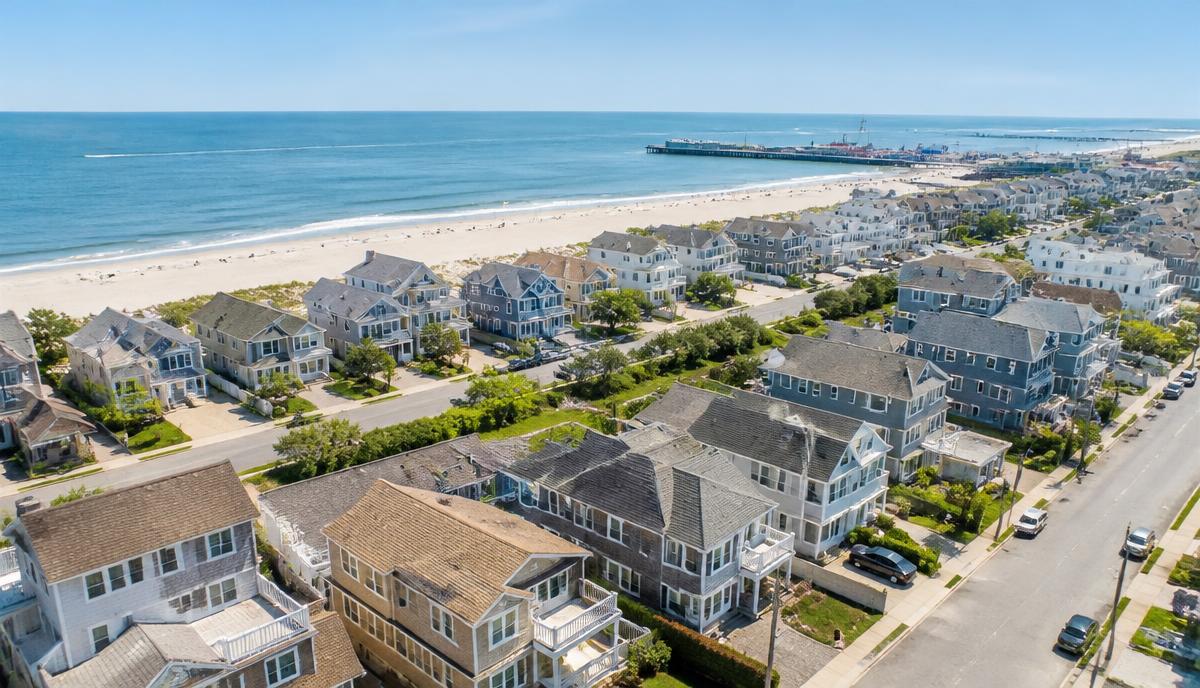
Home insurance costs and coverage requirements in Ocean County differ considerably between beachfront and inland properties. Coastal homes face higher risks from storms, flooding, and wind. This leads to more complex policies, additional coverage needs like flood insurance, and generally higher premiums compared to homes situated further from the shore.
Understanding the Baseline: Standard Home Insurance in Ocean County
Every homeowner in Ocean County needs a fundamental homeowners insurance policy. This policy, often called an HO-3, provides essential protection for your dwelling and personal belongings. It covers perils like fire, theft, and liability if someone is injured on your property. This is your starting point, whether you are on the barrier island or in Jackson.
However, even this standard policy has exclusions. For example, damage from floods and earthquakes is typically not covered. This is a crucial detail for all New Jersey homeowners to understand. Your standard policy aims to protect against common, sudden, and accidental damages. It gives you peace of mind regarding many unforeseen events.
When you secure a mortgage, your lender will require you to have homeowners insurance. They want to protect their investment in your property. You choose your insurer, but the coverage must meet the lender's requirements. This often includes specific dwelling coverage amounts. It is about protecting your home's structure and your financial security. You can explore various options, like those suitable for /loan-options/second-home-vacation-home, if that's your goal.
The Coastal Factor: Increased Risks for Beachfront Properties
Properties near the beach in Ocean County, such as those in Point Pleasant, Barnegat, or Beachwood, face distinct risks. These homes are more vulnerable to severe weather events. Think about tropical storms, nor'easters, and hurricanes. The proximity to the ocean means increased exposure to high winds, storm surges, and coastal erosion.
Insurers view coastal properties as higher-risk investments. This translates into different insurance considerations for you. You will likely see higher premiums. You may also need additional, specialized coverages. These aren't optional; they are often critical to fully protect your home. The goal is to cover the specific perils inherent to living by the sea.
Furthermore, the type of construction can also impact rates in coastal areas. Homes built to newer, stricter building codes might receive slightly better rates. Elevation is another key factor. Homes built on stilts or elevated foundations to mitigate flood risk may have different insurance profiles. It is a complex calculation based on many variables specific to your property's location and design.
Mandatory Coverage: Flood Insurance by the Shore
One of the most significant differences for beachfront properties in Ocean County is the requirement for flood insurance. Standard homeowners policies do not cover flood damage. This is a critical distinction.
Even if your home isn't in a mandatory flood zone, purchasing flood insurance is highly recommended for any coastal Ocean County property. Floods can occur anywhere. A single inch of water can cause tens of thousands of dollars in damage. You do not want to be caught unprepared. This coverage protects your home's structure and your belongings from floodwaters.
Understanding your flood zone designation is essential. You can check your property's flood risk through FEMA's flood maps. This information will dictate whether flood insurance is mandatory for your mortgage. It also helps you assess your personal risk. Flood insurance is a separate policy. It has its own premiums and deductibles.
Inland vs. Beach: Premium Differences and Deductibles
Comparing a home in Jackson or Brick to one in Manahawkin or Little Egg Harbor reveals clear differences in insurance premiums. Inland properties typically enjoy lower home insurance costs. They are less exposed to coastal perils. Their risk profile is simply lower for insurers. This can translate into hundreds or even thousands of dollars in annual savings on your premiums.
For beachfront properties, premiums are generally much higher. You are paying for the increased risk of wind, storm surge, and flood damage. Insurers often factor in specific 'wind deductibles' for coastal homes. This means that for damage caused by wind, a separate, higher deductible might apply.
These higher deductibles can significantly impact your out-of-pocket costs in the event of a claim. It is important to understand these terms before you buy. You need to budget for these potential costs. Always compare policy details carefully. Look beyond just the annual premium. Understand what you are truly covered for and what you would pay if a claim arose.
Key Considerations for All Ocean County Homebuyers
Regardless of whether you are buying inland or near the beach, getting multiple insurance quotes is always a smart move. Different insurers have different underwriting guidelines and pricing models. What one company considers high risk, another might view differently. Shopping around can save you a substantial amount of money on your premiums. Do not settle for the first quote you receive.
When reviewing policies, pay close attention to the coverage limits and exclusions. Does the dwelling coverage adequately rebuild your home in today's construction costs? Are your personal belongings fully protected? What about liability coverage? Understanding these details prevents surprises later. It is your responsibility to know what you are buying.
Consider working with an independent insurance agent. They can help you navigate the complexities of coastal insurance. They often work with multiple carriers. They can find the best coverage and value for your specific property. An expert can clarify confusing terms and ensure you are adequately protected.
Frequently asked questions
Is flood insurance always required for Ocean County coastal homes?
Flood insurance is typically required by mortgage lenders for properties located in high-risk flood zones, as designated by FEMA. Many coastal areas in Ocean County fall into these zones. Even if not mandated, it is highly advisable for any home near the water to protect against potential flood damage, which standard policies exclude.
What is a 'wind deductible' and how does it affect coastal homeowners?
A wind deductible is a separate deductible specifically for damage caused by wind, hurricanes, or tropical storms. For coastal Ocean County homes, this deductible is often a percentage of your home's insured value, rather than a fixed dollar amount. This means higher out-of-pocket costs for wind-related claims.
Do inland Ocean County homes need special insurance considerations?
While inland homes in towns like Jackson or Brick generally have lower insurance risks than coastal properties, it is still crucial to ensure adequate coverage. Standard homeowners insurance is essential. Considering additional coverage for specific local risks like severe winter storms or localized flooding can be wise. Always review your policy carefully.
How can I find out my property's flood zone designation in Ocean County?
You can determine your property's flood zone designation by visiting the FEMA Flood Map Service Center website. Enter your address, and the site will display the official flood map for your area. This information is vital for understanding your flood risk and potential insurance requirements.
Can I get discounts on home insurance for coastal properties in Ocean County?
Some insurers offer discounts for specific mitigation efforts, even in coastal areas. These might include hurricane-resistant windows, storm shutters, or elevating your home above flood levels. It's worth asking your insurance provider or agent about available discounts based on your home's construction and protective features.
What to do next
Navigating home insurance in Ocean County requires careful consideration of your property's location. Whether you are inland or near the beautiful coast, understanding the unique risks and coverage requirements is paramount. Beachfront homes come with specific challenges, particularly regarding flood and wind coverage, often leading to higher premiums. Inland properties typically face fewer complexities. Always get multiple quotes, understand your policy's fine print, and consider an independent insurance agent to secure comprehensive protection for your home. Your peace of mind is worth the effort.
Keep reading
Have questions about buying, financing or refinancing a home? Call Abdel Khawatmi and the Got Mortgages team at 973-536-0276 or visit GotMortgages.com.
Author: Abdel Khawatmi with PRMG Got Mortgages | 201-679-0422
This article is general mortgage information only. It is not a commitment to lend, a rate quote, or legal or tax advice. Loan approval, terms and pricing depend on a full application, credit review and property details, and market conditions change. Talk with a licensed loan officer and your own legal or tax professional about your situation.