
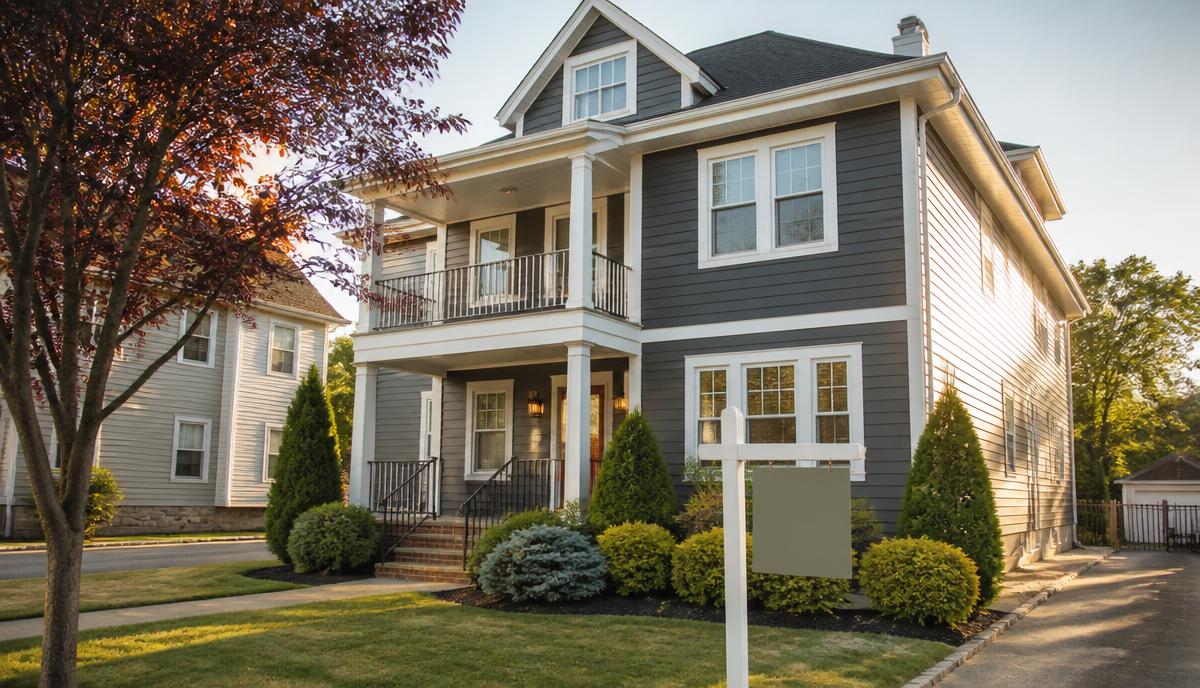
Yes, you absolutely can get a conventional loan for a multi-family property in Ocean County if you plan to live in one unit and rent out the others. This is a common and often smart way to enter real estate investment, reduce your housing costs, or even build long-term wealth. You become both a homeowner and a landlord simultaneously, right here in Ocean County.
Understanding Owner-Occupied Multi-Family Conventional Loans
You're asking about an owner-occupied multi-family property. This means you will reside in one of the units as your primary residence. The property must be 2-4 units total. This isn't just an investment property in the traditional sense; it's your home first. This distinction is crucial for conventional loan eligibility and for securing favorable terms.
Conventional loans for multi-family properties are backed by entities like Fannie Mae and Freddie Mac. They set specific guidelines for down payments, credit scores, and debt-to-income ratios. Because you're living in one unit, the loan is considered less risky than a purely investment property loan. This often translates to better terms for you. You are seen as having more stake in the property.
Many people in Ocean County consider this strategy. Think about towns like Toms River, Brick, or Jackson. A duplex, triplex, or four-plex could be a great fit. You could live in one unit and rent out the others. The rental income from the other units can significantly help offset your mortgage payment. This makes homeownership more accessible and more affordable.
Key Requirements for Your Conventional Multi-Family Loan
Securing a conventional loan for an owner-occupied multi-family property comes with some specific requirements. These are standard across the board, whether you're looking in Manahawkin, Point Pleasant, or Barnegat. You need to meet certain financial benchmarks.
Here are some of the main things lenders will look for:
* **Credit Score:** You will typically need a good credit score. This demonstrates your reliability as a borrower. Stronger scores often lead to more favorable loan terms.
* **Down Payment:** For owner-occupied multi-family properties (2-4 units), conventional loans require a down payment. The specific percentage can vary based on the number of units and your overall financial profile. It is important to budget for this.
* **Debt-to-Income (DTI) Ratio:** Your DTI ratio is crucial. This compares your monthly debt payments to your gross monthly income. Lenders want to see a manageable ratio. The good news is that potential rental income from the other units can often be used to help qualify you.
Meeting these requirements sets you up for success. We can go over your specific situation. We will help you understand where you stand and what steps you can take to strengthen your application. For more specific details on conventional loan guidelines, you can visit the Fannie Mae website.
Leveraging Rental Income for Qualification
One of the biggest advantages of an owner-occupied multi-family property is using potential rental income to help you qualify for the loan. This is a game-changer for many aspiring homeowners and investors in Ocean County. Imagine buying a property where the tenants help pay your mortgage.
Lenders won't count all of the projected rental income. Typically, they will use a portion of it. This is to allow for potential vacancies and maintenance costs. The amount used can vary, but this percentage can significantly boost your borrowing power and improve your debt-to-income ratio.
To determine this income, we rely on a professional appraisal. The appraiser will include a rent schedule. This schedule estimates the fair market rent for each unit. This provides the lender with an objective assessment of the property's income potential. This rental income can make buying a multi-family home in Lacey or Beachwood much more feasible than a single-family home of similar value.
The Benefits of Becoming an Owner-Occupant Landlord in Ocean County
Becoming an owner-occupant landlord in Ocean County offers a unique blend of benefits. It's more than just owning a property; it's about building a financial foundation. This strategy can profoundly impact your financial future.
Consider these advantages:
* **Reduced Housing Costs:** The most immediate benefit. Rental income from your tenants helps offset your mortgage payment. In some cases, it can even cover a significant portion of it. This frees up your personal income.
* **Wealth Building:** You are investing in real estate. As property values appreciate, so does your equity. You are building long-term wealth. This is a smart move for your future.
* **Real Estate Experience:** You gain valuable experience as a landlord. This can be a stepping stone to future real estate investments. You learn the ropes firsthand.
* **Potential Tax Advantages:** There can be tax benefits associated with owning rental property. Consult a tax professional for advice specific to your situation.
For properties in places like Little Egg Harbor or Brick, this can be an excellent way to get into the market. You get to live where you want. You also generate income right from your home. It's a win-win situation.
Frequently asked questions
What is the typical down payment for a conventional multi-family loan?
The down payment varies based on the number of units and your specific circumstances. For properties up to four units where you will occupy one, conventional loan guidelines set minimum down payment requirements. You should anticipate a down payment that reflects the property's value and unit count. It is always best to discuss your individual situation with a mortgage expert to understand the exact figures applicable to you.
Can I use projected rental income to qualify for the loan?
Yes, absolutely. This is one of the key advantages of owner-occupied multi-family financing. Lenders will typically use a portion of the estimated gross rental income from the non-owner-occupied units to help you qualify. This additional income can significantly improve your debt-to-income ratio and increase your borrowing power, making the loan more attainable.
What credit score do I generally need for this type of loan?
While specific requirements can vary, conventional loans generally require a good credit score. Aim for a score that demonstrates responsible credit management. A stronger credit score often leads to better interest rates and more favorable loan terms. Your overall financial picture is important, but credit is a big piece. For more information, check out /loan-options/conventional-loans.
Are there any specific occupancy requirements for these loans?
Yes, a core requirement is that you must intend to occupy one of the units as your primary residence. You must move in within a reasonable timeframe after closing, usually within 60 days, and maintain occupancy for at least one year. This distinguishes it from a pure investment property loan and impacts loan terms significantly.
Are there other loan options besides conventional for multi-family properties?
Yes, there are other options. FHA loans are another popular choice for owner-occupied multi-family properties (up to 4 units). FHA loans often have lower down payment requirements and more flexible credit guidelines. It is worth exploring both conventional and FHA options to see which best fits your financial situation and goals. You can learn more at /loan-options.
What to do next
Getting a conventional loan for an owner-occupied multi-family property in Ocean County is a very real possibility. It is a strategic move that combines homeownership with income generation. This approach can help you reduce housing costs, build equity, and gain valuable experience as a landlord. The key is understanding the specific requirements for credit, down payment, and how rental income factors into your qualification. Whether you're looking in Toms River, Brick, or any other great Ocean County town, this path can lead to significant financial benefits. I am here to guide you through every step. We will find the right solution for your unique situation.
Keep reading
Sources
Have questions about buying, financing or refinancing a home? Call Abdel Khawatmi and the Got Mortgages team at 973-536-0276 or visit GotMortgages.com.
Author: Abdel Khawatmi with PRMG Got Mortgages | 201-679-0422
This article is general mortgage information only. It is not a commitment to lend, a rate quote, or legal or tax advice. Loan approval, terms and pricing depend on a full application, credit review and property details, and market conditions change. Talk with a licensed loan officer and your own legal or tax professional about your situation.