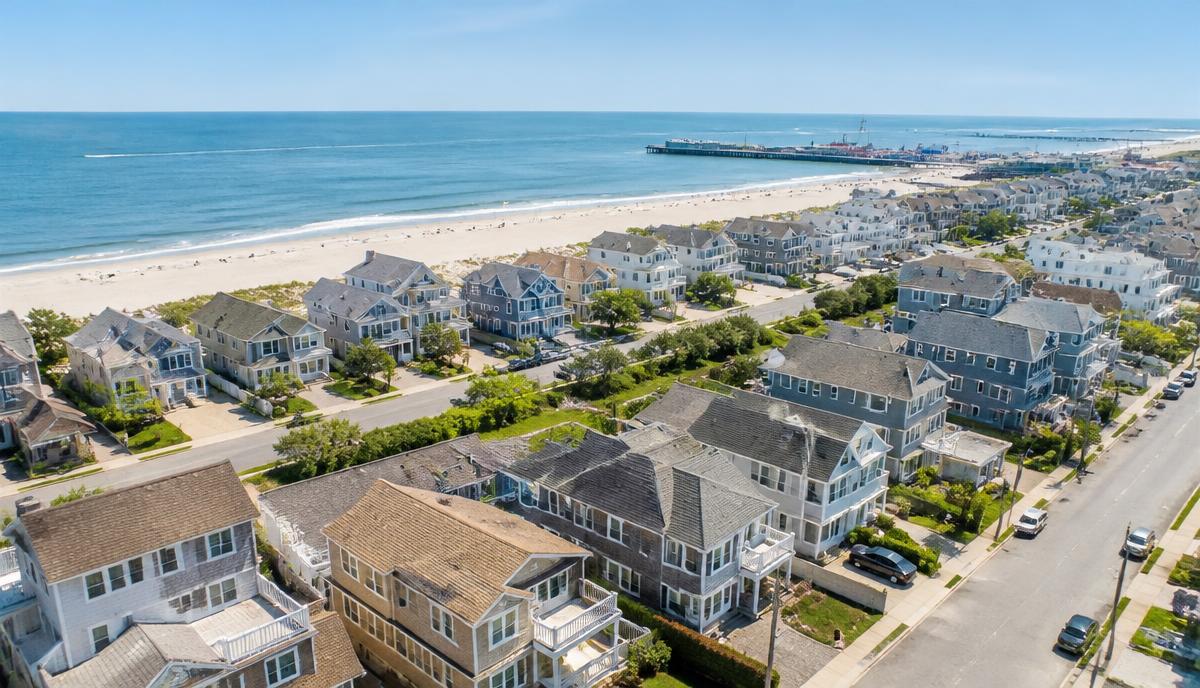
When buying a vacation home on Long Beach Island, your offer should include contingencies for financing tailored to second homes, specialized coastal home inspections, flood insurance insurability, title review for municipal easements, and an appraisal contingency. These clauses protect your earnest money deposit while you verify the physical structure, insurability, and lending feasibility of an oceanfront or bayfront property.
Financing and Appraisal Contingencies for Second Homes
Buying a seasonal retreat requires a clear financing contingency tailored to second-home guidelines. Lenders evaluate second homes differently than primary residences. Underwriting standards require distinct reserves and asset verification. Your mortgage contingency should specify that your loan is for a secondary residence rather than an investment property or primary dwelling. This clause gives you time to deliver your preapproval documentation and complete formal underwriting without putting your initial deposit at risk.
An appraisal contingency is equally vital on the island. Coastal real estate values can vary widely based on proximity to the beach, elevation, water views, and seasonal appeal. Comparable sales from the mainland in Manahawkin or inland Ocean County cannot accurately value an island property. If the appraiser values the home below your agreed purchase price, this contingency allows you to renegotiate the purchase price, bring additional funds to closing, or exit the transaction with your deposit intact.
Work with your lender early to establish realistic contingency deadlines. Second-home appraisals frequently require specialized regional appraisers who understand barrier island dynamics.
Specialized Coastal Home and Structural Inspections
A standard residential inspection is rarely sufficient for coastal real estate. Salt air, severe storm winds, and sandy soil create unique structural stresses on barrier island properties. You should customize your inspection contingency to allow specialized trade contractors to evaluate specific coastal components within your inspection window.
Make sure your contract permits inspections for these critical items:
Pilings, stilts, and foundation bracing for elevated properties
Roof deck attachments, flashing, and wind-rated shingles
Exterior siding condition and moisture intrusion behind cedar shingles or vinyl
Air conditioning compressors and outdoor electrical disconnects exposed to salt air
Bulkheads, docks, and pilings if the home sits on a bay or lagoon
If the inspector identifies hidden dry rot, shifting pilings, or structural corrosion, your contingency allows you to request seller repairs or repair credits before moving forward. Without explicit language covering coastal features, you may lose the right to negotiate repairs on expensive outbuildings, docks, or pilings.
Flood Zone Verification and Insurance Contingencies
Flood insurance is one of the largest ongoing expenses for coastal homeowners in Ocean County. Every home on Long Beach Island sits within a designated flood zone, but the risk designation and foundation style dictate the annual premium cost. You should include a flood insurance contingency that gives you time to review the existing elevation certificate and secure an acceptable insurance quote.
This contingency protects you if the property carries an outdated elevation certificate or non-compliant ground-level enclosures. Unpermitted ground-level living spaces can cause flood insurance rates to jump significantly. By inserting a flood insurance contingency, you can cancel the contract if the home cannot be insured at a cost you find acceptable.
Never assume that the seller's current insurance policy rate will transfer directly to you. Rating structures change, and older policies may have had grandfathered discounts that do not survive a transfer of ownership. Obtain quotes directly from your insurance carrier during your contingency timeline.
Municipal Permits, Zoning, and Rental License Review
Many buyers plan to rent their beach house during the peak summer weeks to offset carrying costs. However, each municipality on Long Beach Island maintains independent rental ordinances, occupancy restrictions, and registration rules. A municipal compliance contingency gives your real estate attorney time to verify that the home meets all local codes.
This review should verify the following municipal items:
Active short-term rental permits and transferability rules
Closed building permits for past renovations, additions, or deck installations
Local zoning compliance regarding setbacks and maximum lot coverage
Certificates of occupancy and smoke detector certifications required for transfer
Open permits left behind by previous contractors can delay your closing and create title issues. If your contract includes a contingency requiring the seller to resolve open permits prior to settlement, you avoid inheriting uninspected structural work or municipal fines. Your attorney will review municipal records during the standard attorney review and due diligence periods.
Navigating the Attorney Review and Due Diligence Timelines
In New Jersey, residential purchases typically begin with a standard three-day attorney review period. During this window, your real estate attorney can modify the initial contract to insert these vital coastal contingencies. It is critical to work with an attorney who routinely handles Ocean County coastal transactions, as they understand the local customary timelines.
Inspection periods generally run for a set number of business days following the completion of attorney review. Because coastal home inspectors, marine contractors, and structural engineers book up quickly during the spring and summer, you should schedule your inspections the moment your offer enters attorney review. Keep in close communication with your mortgage advisor so that loan processing, title searches, and property underwriting move forward in unison.
Missing a contingency deadline can inadvertently waive your rights under the contract. Track each milestone on a shared calendar with your professional team to ensure your deposit remains fully protected.
Frequently asked questions
Can I use rental income from a vacation home to qualify for my mortgage?
When purchasing a second home, lenders generally do not allow you to use projected seasonal rental income to qualify. You must demonstrate sufficient personal income and assets to cover the carrying costs of both your primary residence and the vacation property. If you need rental income to qualify, your loan must be structured under investment property guidelines.
How does flood insurance affect my loan qualification for an LBI property?
Your lender includes required flood insurance premiums directly in your monthly debt-to-income calculation. If a home sits in a high-risk flood zone with low elevation, the resulting premium can alter your qualification ratios. Verifying insurance premiums during your contingency period ensures your mortgage approval remains fully intact through final underwriting.
What is the standard inspection contingency timeline in New Jersey?
Most New Jersey contracts allow between ten and fourteen business days after attorney review concludes to complete home inspections and request repairs. Because specialized marine and structural contractors on the coast can have long wait times, you should request an adequate window in your attorney review addendum to avoid rushing your due diligence.
Do I need a bulkhead inspection if the home is located on a lagoon or bay?
Yes. Bulkheads represent a major structural element protecting coastal property from erosion and water intrusion. Replacing a failing bulkhead can be an extensive project requiring state environmental permits. Adding a dedicated marine contractor inspection contingency ensures the bulkhead and anchoring system are structurally sound before you commit to the purchase.
What to do next
Purchasing a seasonal vacation home on Long Beach Island offers years of enjoyment, but coastal properties require careful legal and financial protection. By writing targeted contingencies for second-home financing, flood insurance costs, coastal inspections, and municipal compliance, you protect your earnest money and avoid costly surprises. Assemble a local team including an Ocean County real estate attorney, an experienced home inspector, and a knowledgeable mortgage advisor before submitting your offer.
Keep reading
Have questions about buying, financing or refinancing a home? Call Abdel Khawatmi and the Got Mortgages team at 973-536-0276 or visit GotMortgages.com.
Author: Abdel Khawatmi with PRMG Got Mortgages | 201-679-0422
This article is general mortgage information only. It is not a commitment to lend, a rate quote, or legal or tax advice. Loan approval, terms and pricing depend on a full application, credit review and property details, and market conditions change. Talk with a licensed loan officer and your own legal or tax professional about your situation.