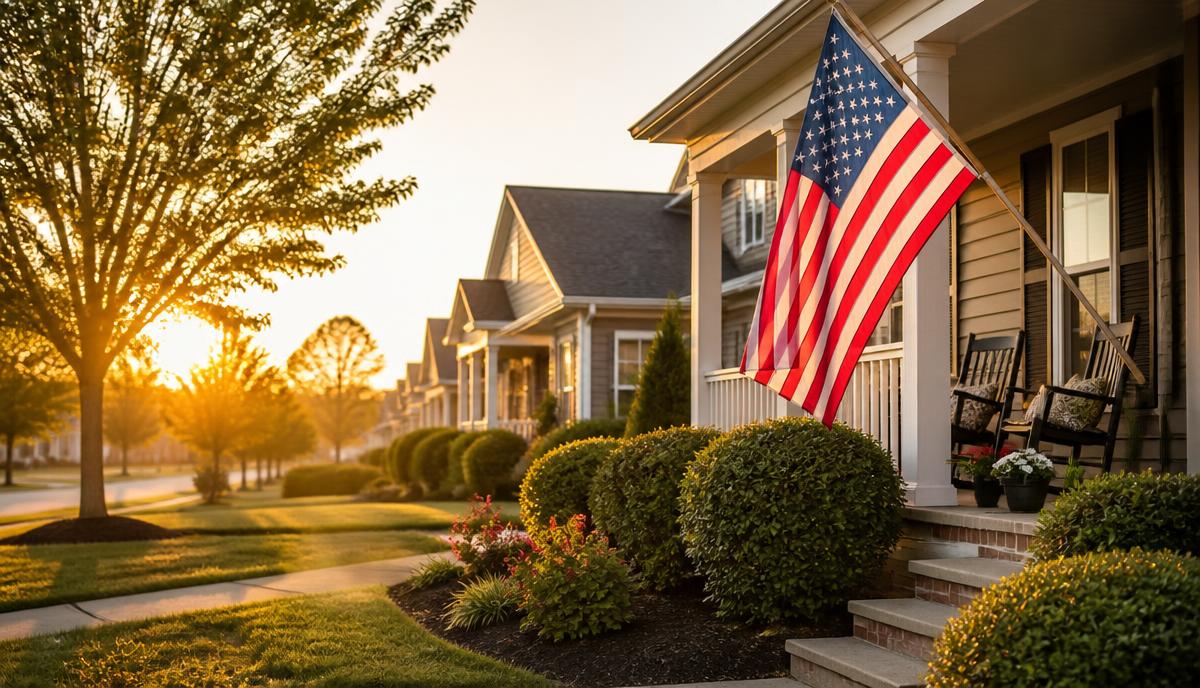
The best loan option for a veteran in Monmouth County is overwhelmingly the VA loan. It provides significant advantages over other mortgage products, making homeownership more accessible and affordable for those who have served our country.
Understanding the Power of Your VA Home Loan Benefit
You've served our country with honor. Now it's time to leverage the benefits you've earned. The VA home loan program is more than just a mortgage. It's a testament to your service. It offers unparalleled advantages for buying a home in Monmouth County.
This loan is backed by the U. S. Department of Veterans Affairs. This backing allows private lenders to offer more flexible terms. It's designed to help you achieve homeownership.
Here’s why the VA loan stands out:
* No down payment required for many eligible borrowers.
* No private mortgage insurance (PMI) required.
* Often features competitive interest rates.
* Limits on certain closing costs.
* Flexible credit requirements compared to some other loan types.
Eligibility: Do You Qualify for a VA Loan?
Before we dive into the specifics, let's confirm your eligibility. Generally, you're eligible if you meet certain service requirements. This includes active duty service, National Guard or Reserve service, or being a surviving spouse of a veteran who died as a result of service.
A key step is obtaining your Certificate of Eligibility (COE). The COE verifies to lenders that you meet the VA's service requirements. Don't worry if this sounds complicated. Securing your COE is usually a simple process. We can guide you every step of the way.
Eligibility for a VA loan is broad and covers various service periods.
* At least 90 consecutive days of active service during wartime.
* At least 181 days of active service during peacetime.
* Six years of service in the National Guard or Reserves.
* Spouses of veterans who died in service or from a service-connected disability.
Even if you used your VA benefit before, you might still have entitlement for another loan. It's worth exploring, especially if you're looking to move or expand in Monmouth County.
The Undeniable Advantages: Why a VA Loan is Best
When considering loan options, the VA loan consistently rises to the top for eligible veterans. Its benefits directly translate to more savings and less stress for you, the homeowner. Unlike conventional or FHA loans, the VA loan structure is built to honor your service through tangible financial advantages.
A significant benefit for many veterans is the no down payment option. This means you can purchase a home in Eatontown or Red Bank without needing to save a large sum upfront. This drastically lowers the barrier to entry for homeownership. Additionally, the absence of private mortgage insurance (PMI) saves you money every single month.
Let's break down the advantages further:
* <b>No Down Payment:</b> Many eligible veterans can finance the entire purchase price of their home.
* <b>No Mortgage Insurance:</b> This is a huge monthly saving. It distinguishes VA loans from FHA and often conventional loans.
* <b>Lower Interest Rates:</b> VA loans often come with competitive rates. This can save you money over the life of the loan.
These benefits aren't just minor perks. They are significant financial advantages. They can make a substantial difference in your homeownership journey in Monmouth County.
Using Your VA Loan in Monmouth County: What to Expect
Navigating the home buying process can feel complex. But using your VA loan in Monmouth County doesn't have to be. As your local expert, I'm here to simplify it. From finding the right property in Asbury Park to understanding the appraisal process, we’ll guide you.
One key aspect is the VA appraisal. This isn't just about determining market value. It also ensures the property meets specific Minimum Property Requirements (MPRs). These requirements ensure the home is safe, sanitary, and structurally sound. This protects your investment. It ensures you're buying a quality home.
We'll also discuss the VA Funding Fee. This fee helps offset the cost of the VA loan program for taxpayers. However, many veterans are exempt from paying this fee. This includes those receiving VA compensation for service-connected disabilities.
Preparing for your VA loan includes:
* Having your Certificate of Eligibility (COE) ready.
* Getting pre-approved to know your buying power.
* Working with a local real estate agent familiar with VA purchases.
* Understanding the VA appraisal and property requirements.
Beyond the Purchase: VA Refinance Options
Your VA loan benefits extend beyond just purchasing a home. If you already have a VA loan, or even if you have a non-VA loan, powerful refinance options are available to you. These can help you manage your finances more effectively.
The VA Interest Rate Reduction Refinance Loan (IRRRL), also known as a VA Streamline Refinance, is a popular option. It allows you to refinance an existing VA loan to a lower interest rate. Or you can move from an adjustable-rate mortgage to a fixed rate.
For veterans with non-VA loans or those needing to access equity, the VA cash-out refinance is a robust option. This allows you to refinance your current mortgage for more than you owe, taking the difference in cash. This can be used for home improvements, debt consolidation, or other financial needs.
Considering a VA refinance can:
* Lower your monthly mortgage payments.
* Convert an adjustable-rate mortgage to a stable fixed rate.
* Access cash for other financial goals or home projects.
* Potentially reduce the overall cost of your loan over time.
We can review your current mortgage and discuss if a VA refinance option is right for your situation.
Frequently asked questions
Can I use my VA loan more than once?
Yes, absolutely. Your VA loan benefit is not a one-time use. You can use your full entitlement multiple times throughout your life, as long as you meet eligibility requirements and have sufficient remaining entitlement. This allows veterans in Monmouth County flexibility for future moves or upgrades.
Do I need perfect credit for a VA loan?
No, you do not need perfect credit. VA loans are known for having more flexible credit requirements compared to conventional loans. While lenders set their own minimums, they are often more forgiving, recognizing the unique circumstances of military service. We can discuss your specific credit profile.
What kind of properties can I buy with a VA loan in Monmouth County?
You can use a VA loan to purchase a primary residence. This can be a single-family home, condo, or even a multi-unit property (up to four units) if you plan to live in one of them. The property must meet VA minimum property requirements. Investment properties or second homes are not eligible.
Are there closing costs with a VA loan?
Yes, there are closing costs with a VA loan, similar to other mortgage types. However, the VA limits certain fees lenders can charge veterans. Some closing costs can even be paid by the seller, or by you as the buyer. The VA funding fee is also a closing cost, often financed into the loan.
What to do next
For veterans in Monmouth County, the VA home loan is undeniably the best option for buying a home. It's a powerful benefit designed to make homeownership more accessible, affordable, and less stressful for those who have served. With no down payment for many, no private mortgage insurance, and competitive rates, it simply stands apart from other loan products. As your local expert, I'm here to ensure you fully understand and utilize this incredible advantage. You’ve earned it, and we’re here to help you get into your home.
Keep reading
Have questions about buying, financing or refinancing a home? Call Abdel Khawatmi and the Got Mortgages team at 973-536-0276 or visit GotMortgages.com.
Author: Abdel Khawatmi with PRMG Got Mortgages | 201-679-0422
This article is general mortgage information only. It is not a commitment to lend, a rate quote, or legal or tax advice. Loan approval, terms and pricing depend on a full application, credit review and property details, and market conditions change. Talk with a licensed loan officer and your own legal or tax professional about your situation.