
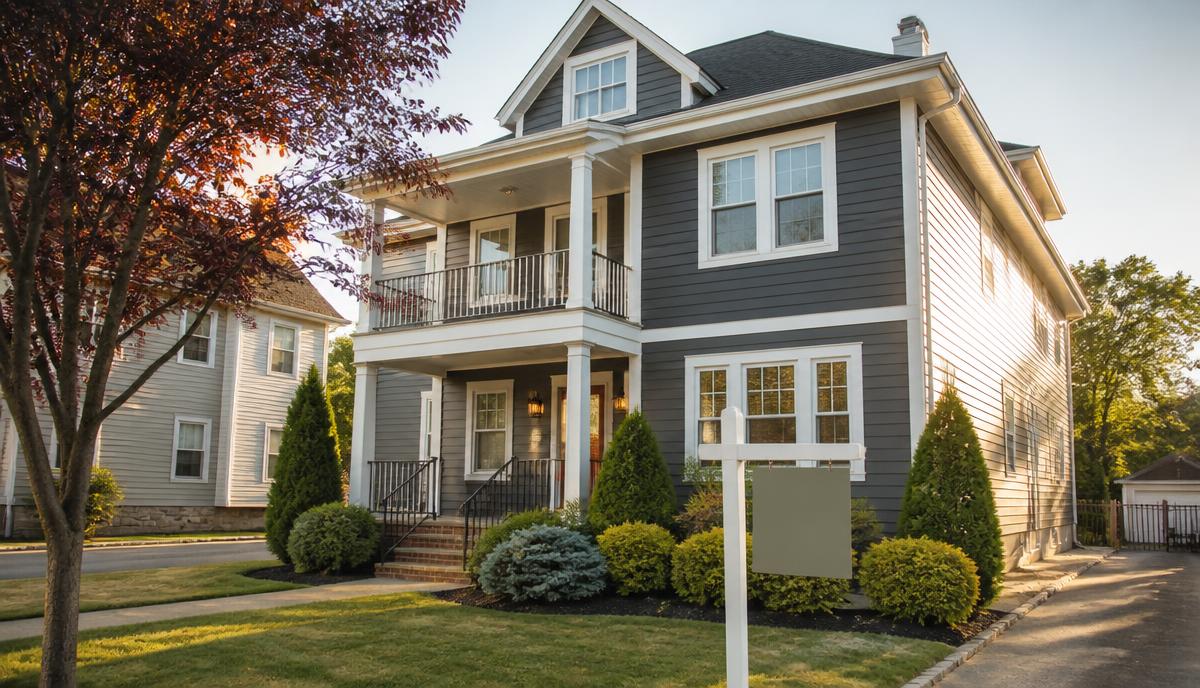
Investing in Smaller Multifamily Deals in Monmouth County, NJ: What Homebuyers Need to Know in 2026
If you’re a homebuyer in Monmouth County, New Jersey, looking to step into real estate investing, smaller multifamily propertie, duplexes, triplexes, and fourplexes, can be a smart way to get started. Unlike large apartment complexes, these smaller investments offer manageable risk, easier financing, and the potential for additional income while living in one unit yourself.
Why Smaller Multifamily Deals Are Attractive for Monmouth County Buyers
Monmouth County offers a unique combination of strong rental demand, excellent schools, and proximity to New York City, making it a hotspot for real estate investors. Here’s why smaller multifamily properties are gaining attention:
- Owner-Occupied Financing: Many lenders allow buyers to live in one unit and rent out the others, often qualifying for lower interest rates and down payments compared to traditional investment properties.
- Cash Flow Opportunities: Rental income can help offset mortgage payments, taxes, and maintenance costs. In areas like Red Bank, Long Branch, and Middletown, rental demand remains strong.
- Appreciation Potential: Monmouth County real estate has a history of steady appreciation, giving smaller multifamily owners both cash flow and equity growth.
- Manageable Scale: Compared to larger apartment buildings, smaller multifamily properties are easier to manage and require less initial capital.
Key Considerations for Buying a Smaller Multifamily Property in Monmouth County
- Location is Everything: Focus on neighborhoods with strong rental demand, easy commuting options, and local amenities. Towns like Asbury Park, Holmdel, and Rumson are popular with renters.
- Financing Options: FHA and conventional loans can be used for 2-4 unit properties. Living in one unit can help you qualify for lower rates.
- Inspection & Maintenance: Multifamily properties require careful inspection of plumbing, roofing, and shared systems. Always budget for potential repairs.
- Rental Income vs. Expenses: Evaluate the property’s potential cash flow by comparing projected rental income with mortgage, taxes, insurance, and maintenance costs.
- Tenant Screening: Good tenants are key. Local property management companies in Monmouth County can help ensure smooth operations.
FAQs About Smaller Multifamily Deals in Monmouth County
Q1: Can I live in one unit and rent out the others?
Yes! This is called an owner-occupied strategy and is one of the most common ways first-time investors enter the market.
Q2: What type of financing is available for smaller multifamily properties?
FHA, VA, and conventional loans are available for 2-4 unit properties, often with lower down payments if you live in one unit.
Q3: How much rental income can I expect in Monmouth County?
Rental income varies by town, unit size, and condition. For example, a 2-bedroom unit in Long Branch can rent for $2,500–$3,000 per month, while in smaller towns like Matawan, you might see $1,800–$2,200.
Q4: Are smaller multifamily properties risky?
All investments carry risk, but smaller multifamily properties are generally lower risk than large apartment complexes. Diversifying units and careful tenant selection help mitigate risk.
Q5: Should I hire a property manager?
If you live on-site, you can manage the property yourself. Otherwise, a local property management company can handle leasing, maintenance, and tenant issues.
Conclusion: Why 2026 Is a Good Year for Smaller Multifamily Deals in Monmouth County
With interest rates stabilizing and Monmouth County’s real estate market remaining resilient, 2026 is a strategic time to explore smaller multifamily investments. Whether your goal is supplemental income, long-term appreciation, or living in one unit while renting the others, these properties offer flexibility, growth potential, and a pathway into real estate investing for homebuyers.
Author: Abdel Khawatmi with PRMG Got Mortgages