
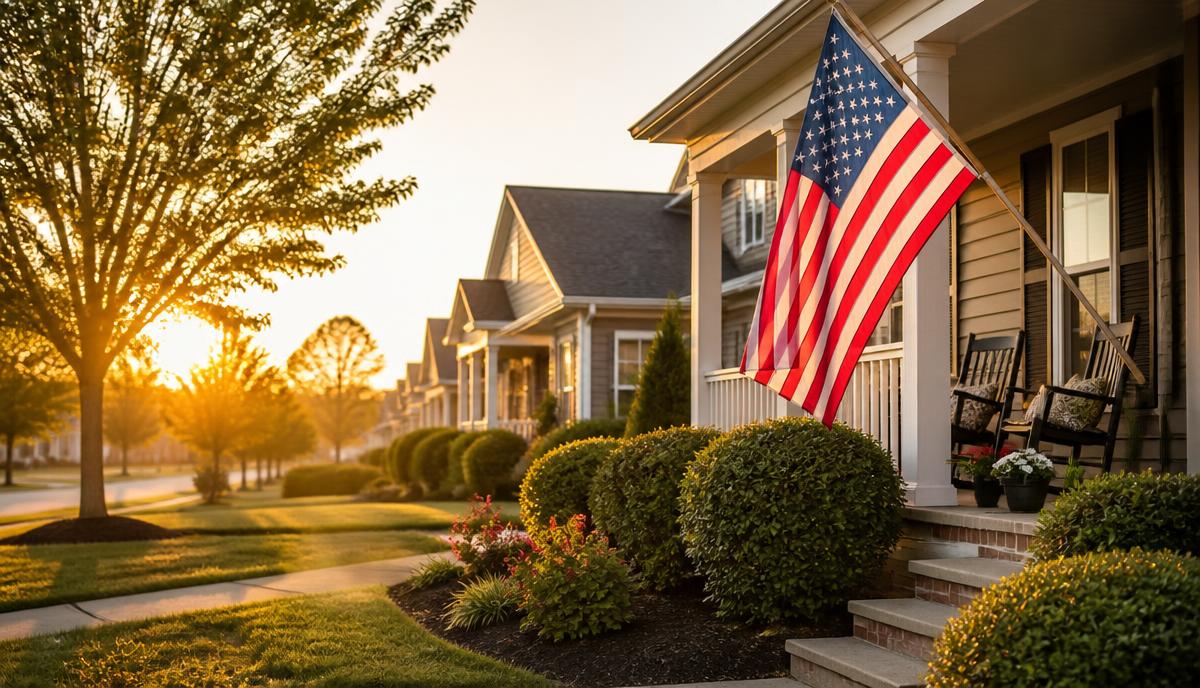
What Is the First Thing to Do When Selling a House in Monmouth County, NJ? A Complete Guide for Homebuyers Watching the Market
If you’re a homeowner thinking about selling, or a buyer actively searching in Monmouth County, New Jersey, one question always comes up:
What is the first thing to do when selling a house?
The answer isn’t putting up a sign or listing on the MLS.
The first and most important step when selling a home in Monmouth County is:
Understand your home’s true market value in today’s local market.
Whether you're in Freehold, Middletown, Manalapan, Marlboro, Colts Neck, or along the shore in Long Branch, pricing strategy determines everything — including how quickly your home sells and how much you ultimately net.
And if you’re a buyer? Understanding what sellers should be doing first helps you spot overpriced listings, motivated sellers, and real opportunities.
Let’s break it down.
Step 1: Get a Hyper-Local Home Value Analysis
In Monmouth County, pricing isn’t just about square footage. It’s about:
- School districts
- Property taxes
- Commuter access to NYC
- Shore proximity
- Inventory levels
- Buyer demand in specific neighborhoods
A professional comparative market analysis (CMA) reviews:
- Recently sold homes (last 3–6 months)
- Active competition
- Pending sales
- Price per square foot trends
- Days on market data
In towns like Marlboro or Manalapan, small differences in neighborhood location can impact value by tens of thousands of dollars.
Step 2: Understand Today’s Buyer Pool
Monmouth County attracts:
- NYC and North Jersey relocations
- First-time buyers using FHA or Conventional loans
- Veterans using VA financing
- Move-up buyers selling in nearby counties
- Shore lifestyle buyers
As a mortgage professional working with buyers daily, I can tell you:
Buyers are highly payment-sensitive.
With rates fluctuating, proper pricing directly impacts affordability — and ultimately how many offers a seller receives.
Step 3: Review Your Mortgage & Equity Position
Before listing, sellers should:
- Request a mortgage payoff statement
- Understand prepayment penalties (if any)
- Calculate estimated closing costs
- Factor in agent commissions
- Determine net proceeds
In towns like Colts Neck or Manalapan, higher property values can mean larger equity positions — but also higher tax prorations and closing costs.
Understanding net proceeds upfront prevents surprises.
Step 4: Prepare the Home Strategically
Once value is confirmed, preparation begins:
- Declutter and depersonalize
- Make minor repairs
- Neutral paint touch-ups
- Professional photography
- Pre-listing inspection (optional but powerful in NJ)
In competitive markets like Middletown and Freehold, homes that show well often receive multiple offers within the first 7–14 days.
Why Pricing Right Matters More in Monmouth County
Monmouth County is unique because:
- Property taxes vary significantly by town
- Buyer budgets are closely tied to monthly payment comfort
- Inventory can shift quickly seasonally
Overpricing can result in:
- Extended days on market
- Price reductions
- Stale listing perception
- Lower final sale price
Buyers in today’s market are informed. They track Zillow, Realtor.com, and local MLS trends daily.
What This Means for Homebuyers in Monmouth County
If you're buying in Monmouth County:
- Watch how homes are priced compared to recent comps
- Look for price reductions after 14–21 days
- Pay attention to homes that return to market
- Understand how interest rates impact your purchasing power
As a mortgage professional, I often help buyers evaluate whether a listing is positioned correctly based on payment scenarios.
Sometimes the best opportunities come from homes that were priced incorrectly at first.
Frequently Asked Questions (FAQs)
1. What is the very first legal step when selling a house in New Jersey?
Technically, there is no required legal filing before listing. However, once an offer is accepted, New Jersey’s attorney review period begins. Sellers should ideally consult a real estate attorney before listing to prepare.
2. Should I get pre-approved before selling my home?
If you plan to buy another home in Monmouth County, absolutely. Getting pre-approved helps you:
- Understand your buying power
- Structure contingent offers properly
- Avoid double mortgage payments
3. How long does it take to sell a house in Monmouth County?
Average days on market vary by town and price range. Entry-level homes often move faster than luxury properties. Proper pricing dramatically impacts timeline.
4. Do I need to make renovations before selling?
Not always. In many Monmouth County neighborhoods, cosmetic improvements provide higher ROI than full remodels.
Focus on:
- Paint
- Flooring refresh
- Landscaping
- Lighting updates
5. What costs should sellers expect in Monmouth County?
Typical seller costs include:
- Real estate commission
- Attorney fees
- Transfer taxes
- Mortgage payoff
- Prorated property taxes
- Possible buyer concessions
6. Is spring still the best time to sell in Monmouth County?
Spring remains active, but serious buyers shop year-round — especially relocation buyers coming from NYC.
Inventory levels often matter more than season.
Key Takeaway
If you're asking, “What is the first thing to do when selling a house?”
The answer is clear:
Start with accurate, hyper-local pricing.
Everything else — marketing, negotiation, timing — flows from that first strategic step.
Whether you're selling in Freehold, Middletown, Manalapan, Marlboro, Colts Neck, or Long Branch, understanding your home's value in today’s Monmouth County market sets you up for success.
And if you're a buyer watching the market, knowing this gives you an edge.
Thinking About Buying or Selling in Monmouth County, NJ?
As a local mortgage professional, I help both buyers and sellers:
- Understand payment scenarios
- Evaluate affordability
- Structure strong offers
- Analyze equity positions
- Navigate NJ-specific closing timelines
If you’re planning a move in Monmouth County, let’s build a smart strategy around today’s market conditions.
Author: Abdel Khawatmi with PRMG Got Mortgages