
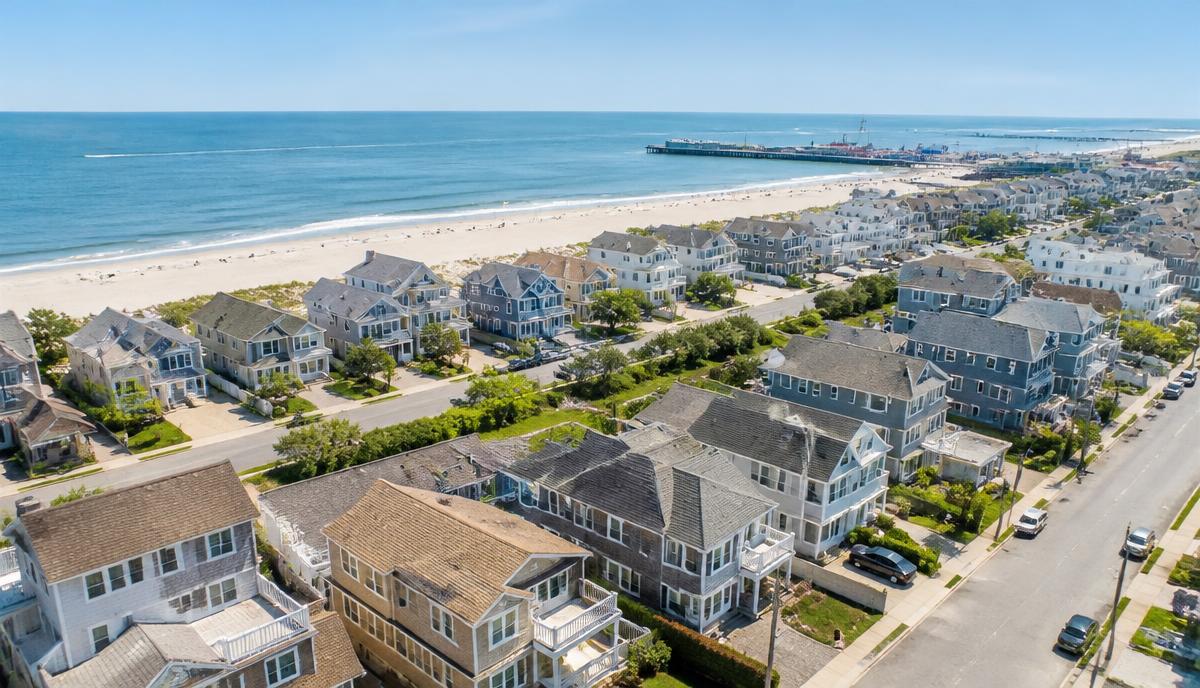
What Happens During the Final Walk-Through? A Long Branch, NJ Homebuyer's Guide
Buying a home is an exciting journey, and you're almost at the finish line. One of the final steps before receiving your keys is the final walk-through. While it isn't another home inspection, it gives buyers one last opportunity to confirm that the property is in the agreed-upon condition before closing.
If you're purchasing a home in Long Branch, NJ, understanding what happens during the final walk-through can help prevent surprises on closing day and give you confidence as you complete your purchase.
What Is a Final Walk-Through?
A final walk-through typically takes place 24 to 48 hours before closing. The purpose is to verify that:
- The seller has moved out (unless otherwise agreed).
- Any negotiated repairs have been completed.
- The home's condition hasn't changed since your offer was accepted.
- Included appliances and fixtures remain in the home.
- No new damage has occurred before ownership transfers.
Think of it as your last quality check before signing the closing documents.
Why the Final Walk-Through Is Especially Important in Long Branch
Long Branch offers a unique mix of:
- Beachfront condominiums
- Historic homes
- New construction communities
- Luxury waterfront properties
Because many homes are located near the Atlantic Ocean, buyers should pay close attention to items like:
- Signs of water intrusion
- HVAC performance
- Windows and doors sealing properly
- Exterior drainage
- Moisture around basements or crawl spaces (where applicable)
These simple checks can help identify issues before they become your responsibility.
Your Final Walk-Through Checklist
Bring your purchase agreement and inspection repair list.
Check every room for:
Interior
- Walls and ceilings
- Flooring
- Doors and locks
- Windows
- Smoke detectors
- Light switches
- Electrical outlets
Kitchen
- Refrigerator
- Oven
- Microwave
- Dishwasher
- Garbage disposal
- Faucets
- Cabinets and drawers
Bathrooms
- Toilets flush properly
- Faucets function correctly
- Shower pressure
- Drains
- Ventilation fan
Mechanical Systems
- Heating
- Air conditioning
- Water heater
- Electrical panel
- Plumbing leaks
Exterior
- Garage door
- Driveway
- Landscaping
- Fencing
- Deck or patio
- Gutters
- Outdoor faucets
Should You Test Everything?
Yes.
Turn on:
- Faucets
- Lights
- Garbage disposal
- Appliances
- HVAC
- Ceiling fans
- Garage door opener
A few minutes spent testing everything can prevent costly headaches later.
What If You Find a Problem?
Don't panic.
Common solutions include:
- Seller completes repairs before closing.
- Seller provides a credit.
- Funds are held in escrow until repairs are finished.
- Closing is delayed if the issue is significant.
Your real estate agent and closing attorney can help negotiate the best resolution.
Common Final Walk-Through Issues
Some of the most common problems include:
- Seller left belongings behind.
- Appliance removed that should have stayed.
- Repair wasn't completed.
- Water leak discovered.
- Broken window.
- HVAC not functioning.
- Damage from moving furniture.
- Missing light fixtures.
- Plumbing issues.
Fortunately, most issues are resolved quickly when identified before closing.
A Recent Long Branch Closing Story
Our team worked with buyers purchasing a home in Long Branch. During the final walk-through, they noticed one of the negotiated repairs to an exterior door had not been completed. Because the issue was identified before closing, all parties agreed to hold a portion of the seller's proceeds in escrow until the repair was finished by a licensed contractor. The buyers closed on schedule and had confidence the repair would be completed without additional expense.
Every transaction is unique, but this is a great example of why the final walk-through matters.
How Much Will You Need at Closing?
The final walk-through itself doesn't cost anything, but buyers should be prepared for their closing costs.
Here's an example for a Long Branch home purchase.
Purchase Price: $650,000
Down Payment (10%)
- $65,000
Estimated Closing Costs (2%–4%)
- $13,000–$26,000
Estimated closing costs may include:
- Loan origination fees
- Appraisal fee
- Title insurance
- Attorney fees
- Recording fees
- Prepaid homeowners insurance
- Property tax escrow
- Mortgage interest
- Lender fees
Your actual costs will vary depending on your loan program and transaction details.
Tips for a Smooth Final Walk-Through
- Schedule it within 24 hours of closing.
- Bring your inspection report.
- Bring your repair agreement.
- Take photos if something isn't right.
- Don't rush.
- Test every appliance.
- Open every door.
- Check every faucet.
- Verify all negotiated items remain in the home.
Why Mortgage Preparation Matters
While your lender doesn't attend the final walk-through, your mortgage approval is reaching its final stage.
Avoid these common mistakes before closing:
- Opening new credit cards
- Financing furniture or appliances
- Changing jobs
- Missing document requests
- Making large unexplained deposits
Keeping your finances stable helps ensure your loan closes on time.
Frequently Asked Questions
Is the final walk-through required?
While not legally required in every transaction, it is strongly recommended and is standard practice for most New Jersey home purchases.
Can I back out after the final walk-through?
If serious problems are discovered, your options depend on the purchase contract. Your real estate attorney can explain your rights.
How long does a final walk-through take?
Most take between 30 minutes and one hour.
Can I bring family members?
Yes, although it's best to keep the visit focused on inspecting the home's condition.
What happens if the seller hasn't moved out?
Your real estate agent and attorney will determine whether closing should proceed or whether additional arrangements are needed.
Should my Realtor attend?
Yes. Your buyer's agent should accompany you during the walk-through.
Is a final walk-through another home inspection?
No. It's simply to verify that the property's condition matches what was agreed upon after inspections and negotiations.
Can repairs still be negotiated?
Yes. If new issues are discovered before closing, buyers and sellers often negotiate credits, repairs, or escrow holdbacks.
Questions Buyers Often Ask
- What should I look for during a final walk-through?
- How soon before closing should the walk-through happen?
- What if repairs weren't completed?
- Can closing be delayed because of walk-through issues?
- Should I test all appliances?
- Who pays if something breaks before closing?
- Does the seller have to clean the home?
- Can I take measurements during the walk-through?
Ready to Buy a Home in Long Branch, NJ?
The final walk-through is your last opportunity to make sure everything is ready before you become a homeowner. Having an experienced mortgage team guiding you throughout the financing process can help your closing stay on track from application to the day you receive your keys.
If you're planning to buy a home in Long Branch, New Jersey, the team at Got Mortgages is here to help you understand your financing options, estimate your monthly payment, and prepare for a smooth closing.
Get started today by exploring our Home Purchase Loan programs:https://gotmortgages.com/loan-qualifier/
Or contact Got Mortgages to discuss your home financing options and receive a personalized mortgage strategy for your Long Branch home purchase.
Author: Abdel Khawatmi with PRMG Got Mortgages